
In cutting-edge manufacturing sectors such as New Energy Vehicles (NEVs), embodied AI, low-altitude aircraft, and high-computing AI servers, the game of tug-of-war between "lightweighting" and "high strength" has never ceased. With the large-scale application of lightweight structural components like magnesium-aluminum alloys and carbon fiber, traditional steel fasteners are facing irreconcilable engineering pain points in multi-material hybrid joining.
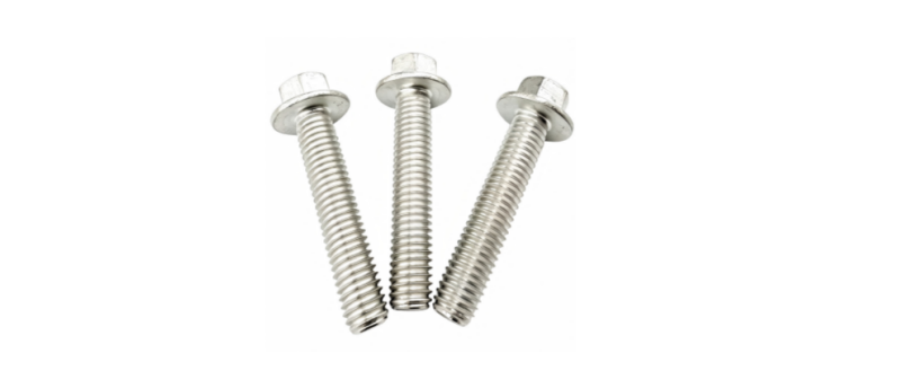
As an innovator and leader in precision fasteners, YF ZCJ (Yingfeng Zhichengjia)—backed by over 20 years of experience in fastener design and manufacturing, and anchored by rigorous automotive-grade R&D standards—has officially unveiled its strategic flagship product: the ZT68 Ultra-High-Strength Aluminum Alloy Bolt. Boasting a tensile strength of 630 MPa that rivals that of steel fasteners, this product completely disrupts traditional joining rules to deliver a superior, one-stop lightweight fastening solution for the industry.
01. Core Pain Points of Traditional Multi-Material Joining
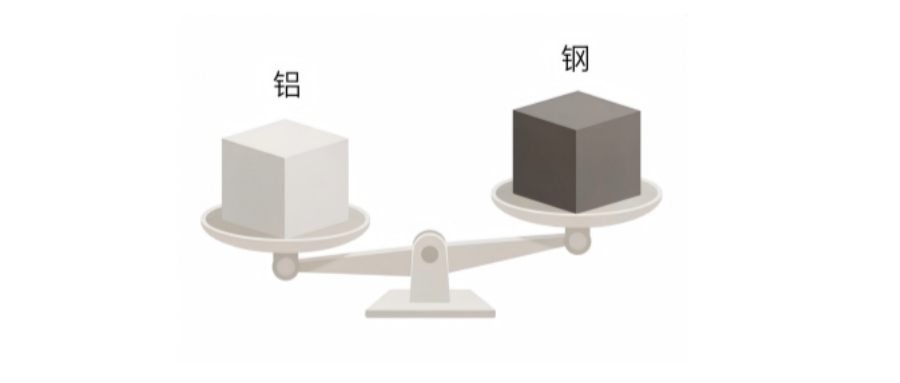
In the assembly of modern hybrid car bodies or heterogeneous structural components, traditional carbon steel bolts frequently encounter the following technical bottlenecks:
-
Galvanic Corrosion Hazards: A significant potential difference exists between steel and aluminum/magnesium materials. In harsh environments featuring moisture or salt spray, this easily triggers severe galvanic corrosion, leading to base metal pulverization or catastrophic fastening failure.
-
Structural Redundancy and Spatial Lock-in: Since the stiffness of steel is far higher than that of aluminum/magnesium components, traditional designs mandate an extremely long thread engagement depth (typically $>2\text{–}3d$, where $d$ is the nominal diameter) to prevent thread stripping in the base metal. This directly constrains the design space for lightweight enclosures and thin-walled parts.
-
"Dead Weight" Negating Lightweighting Benefits: Due to the high density of steel fasteners, their cumulative use in large assemblies often partially offsets the lightweighting dividends gained from utilizing light-alloy die castings.
02. Hardcore Technical Advantages of ZT68 High-Strength Aluminum Bolts
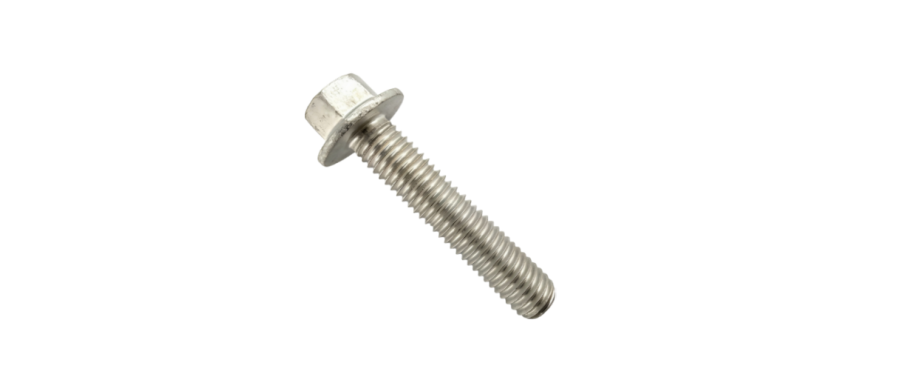
To address these pain points, YF ZCJ conducted deep independent R&D and process innovation strictly based on the Volkswagen standard VW60469, successfully engineering the ZT68 high-strength aluminum alloy bolt, which combines ultra-high strength with exceptional corrosion resistance.
1. 630 MPa-Grade Tensile Strength: Rivaling Steel Fasteners
Traditional Grade 6056 aluminum bolts generally cap out at a tensile strength of around 420 MPa. Through independently optimized heat treatment and solution aging processes, YF ZCJ has stabilized the tensile strength of ZT68 at approximately 630 MPa and its yield strength at around 500 MPa. This perfectly achieves the substitution of aluminum alloy fasteners in high-performance, load-bearing operating conditions.
2. Native Immunity to Galvanic Corrosion
Utilizing a high-strength aluminum alloy substrate, the ZT68 bolt possesses an identical electrochemical potential to aluminum components and a highly similar potential to magnesium components. It eliminates the root physical conditions required for galvanic corrosion, ensuring that the joint structure remains safe and reliable under extreme waterproof/dustproof conditions (meeting IP68 standards) and long-term salt spray environments.
3. Short Thread Engagement Design: Significantly Releasing Space
Thanks to perfect material matching and optimized tightening characteristics, when ZT68 aluminum bolts are used in magnesium/aluminum components, the required thread engagement depth is only $1.3\text{–}1.5d$. Compared to the $>2\text{–}3d$ requirement of steel bolts, this significantly shortens the screw hole depth, allowing the design of battery pack housings, three-electric (e-drive, battery, e-control) enclosures, and chassis structural parts to be more thin-walled and compact.
4. Outstanding Thermal Exposure Stability
In real-world operating conditions, ambient temperature fluctuations often trigger material performance degradation. After undergoing prolonged high-temperature thermal exposure at 180°C, ZT68 retains a high-temperature tensile strength retention rate as high as 95.58% – 97.16%, while its hardness remains stably maintained at 187–204 HV. This stellar thermal stability allows it to easily handle high-heat environments like NEV powertrain systems and high-speed servers.
5. Original "Thread Rolling Post-Heat Treatment" Process, Doubling Fatigue Resistance
Diverging from the conventional sequence of thread rolling followed by heat treatment, YF ZCJ insists on performing high-precision thread rolling after the heat treatment process is completed. Through powerful extrusion, a 200 μm compressive stress layer (residual compressive stress) is created at the root of the thread valley. This drastically boosts the bolt's fatigue strength, eliminates notch effects, and guarantees high-quality delivery with "zero thread damage."
03. Value Proposition: Focusing on TCO Supply Chain Optimization
In fastener supply chain management, a distinct "Iceberg Effect" often exists:
YF ZCJ unswervingly adheres to the customer value propositions of "Total Cost Optimization (TCO)" and "Instant Response." We do not merely provide products; we offer a full-suite technical solution spanning the entire product lifecycle:
-
Design for Manufacturing (DFM) Early Co-Design: Our expert team can intervene deeply during the customer's conceptual design phase, assisting in establishing 2D/3D drawing simulations, which shortens the R&D cycle by over 30%.
-
Cold Heading Instead of Machining for Significant Cost Reduction: Leveraging over 20 years of design experience and multi-station cold heading machinery, we have successfully converted complex aluminum alloy fasteners—which originally relied on high-cost CNC machining—into high-efficiency, mass-produced cold headed parts. This brings customers over 20% in comprehensive cost reduction.
-
Ultra-Fast Engineering Sample Delivery: With closed-loop, full-process manufacturing capabilities within our own facilities, we can deliver test samples in as fast as 1 day.
04. 23 Years of Deep Cultivation in Precision Fastening, Empowering Global Delivery
Founded in 2003, YF ZCJ Precision Hardware has achieved deep technical accumulation and economies of scale over more than two decades of development. Today, the company has strategically deployed 4 modern manufacturing bases globally (Shenzhen, Pingshan, Xiangyang, and Indonesia) with a monthly capacity reaching 500 million units, providing robust global fulfillment guarantees.
The company is fully certified under a comprehensive suite of authoritative quality frameworks, including IATF16949 (Automotive Quality Management System), ISO9001, ISO14001, ISO45001, and IECQ QC 080000. Empowered by impeccable quality control, we deeply serve global TOP 5 NEV brands, the industry's top-tier smartphone supply chains, and over 100 industry-leading clients.
Whether you are facing stringent lightweighting mandates in NEVs and the low-altitude economy (UAVs), or pursuing ultra-high reliability in embodied AI robotics and AI servers, the YF ZCJ ZT68 Ultra-High-Strength Aluminum Alloy Bolt will be your rational choice to optimize total system costs and break through joining technology bottlenecks.
Beyond Connection, Driven by Breakthrough Performance. > We warmly welcome engineering R&D and procurement colleagues from all sectors to visit our manufacturing bases for inspection and business discussions. We are dedicated to providing you with the complete test reports and customized sample support for the ZT68 high-strength aluminum alloy bolt.