Patent Name:An elastic pin assembly equipment
Abstract
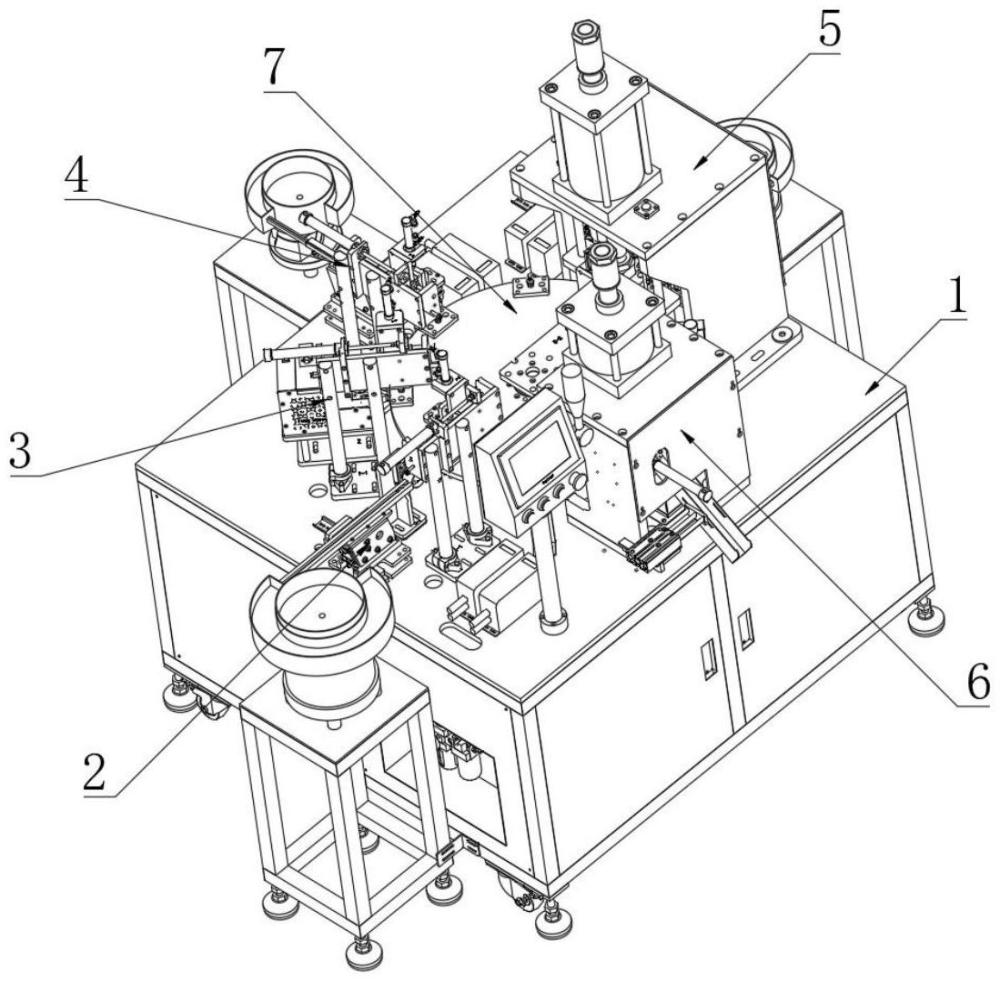
The present invention discloses an elastic pin assembly equipment, comprising […]. The advantages of the present invention are: it adopts a fully automated assembly design, which effectively improves assembly efficiency. The requirements for the feeding accuracy of various components of the elastic pin are relatively low during the assembly process, resulting in lower manufacturing costs. Furthermore, during the pre-pressing of the sealing block, the elastic pin can be calibrated, and it remains locked during the riveting process, thereby reducing the impact of mechanical vibration on the assembly.
Abstract Drawings
Patent Name:High-precision fastener forming apparatus
Abstract
The present invention discloses a high-precision fastener forming apparatus, comprising a feeding mechanism, a forming mechanism, a detection mechanism, and a discharge mechanism. The advantages are as follows: through a multi-stage forming calibration structure, the invention improves the forming precision of fasteners and reduces the defect rate; meanwhile, it achieves fully automated feeding, forming, detection, and discharging, significantly enhancing production efficiency and making it suitable for large-scale industrial production.
Abstract Drawings
Patent Name:Manufacturing process for anti-loosening nuts
Abstract
The present invention discloses a manufacturing process for anti-loosening nuts, comprising steps such as blanking, tapping, heat treatment, anti-loosening coating application, curing, and detection. The advantages are as follows: the processing technology is simple and efficient; the applied anti-loosening coating exhibits strong adhesion and is resistant to peeling, which significantly enhances the anti-loosening performance of the nuts and extends their service life; it is suitable for fastener applications in various vibrating environments.
Abstract Drawings
Patent Name:Apparatus for fastener surface anti-corrosion treatment
Abstract
The present utility model discloses an apparatus for fastener surface anti-corrosion treatment, comprising a spraying chamber, a drying chamber, a conveying mechanism, and a chemical storage tank. The advantages are as follows: the apparatus achieves automated assembly-line operation for the rust-proofing treatment of fasteners; it ensures uniform spraying and controllable drying temperatures, which significantly improves the adhesion effect of the anti-rust coating, shortens the processing cycle, and reduces labor costs; it is suitable for the batch anti-rust treatment of various types of fasteners.
Abstract Drawings
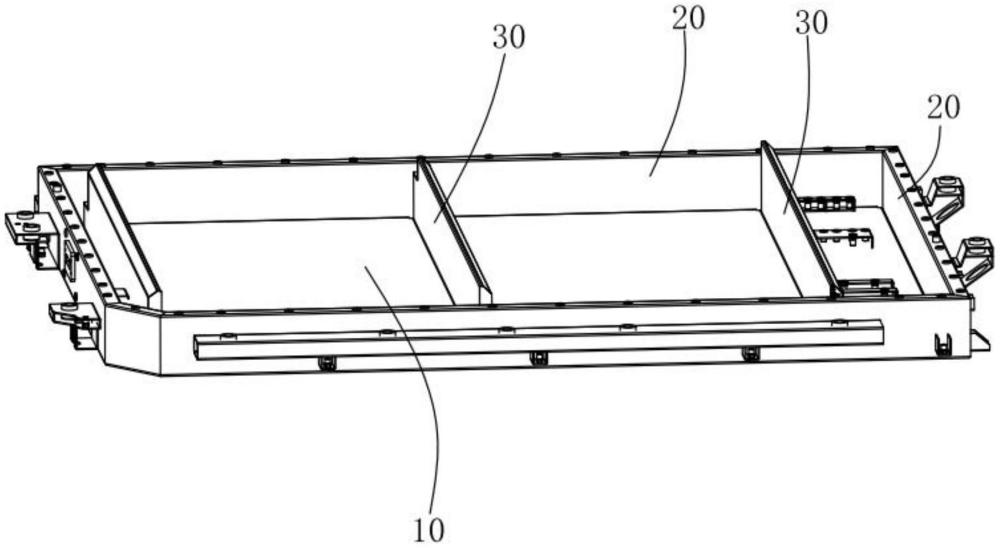
Patent Name:An automatic screw sorting equipment
Abstract
The present utility model discloses an automatic screw sorting equipment, comprising a vibrating feed bowl, a conveying track, a visual inspection module, a sorting robotic arm, and a finished product bin. The advantages are as follows: the equipment utilizes visual inspection technology to perform screening of screw dimensions and appearance defects; it features high sorting precision and fast speed, effectively replacing manual sorting, reducing the risk of defective products entering the market, and enhancing the product quality control level of the enterprise.
Abstract Drawings
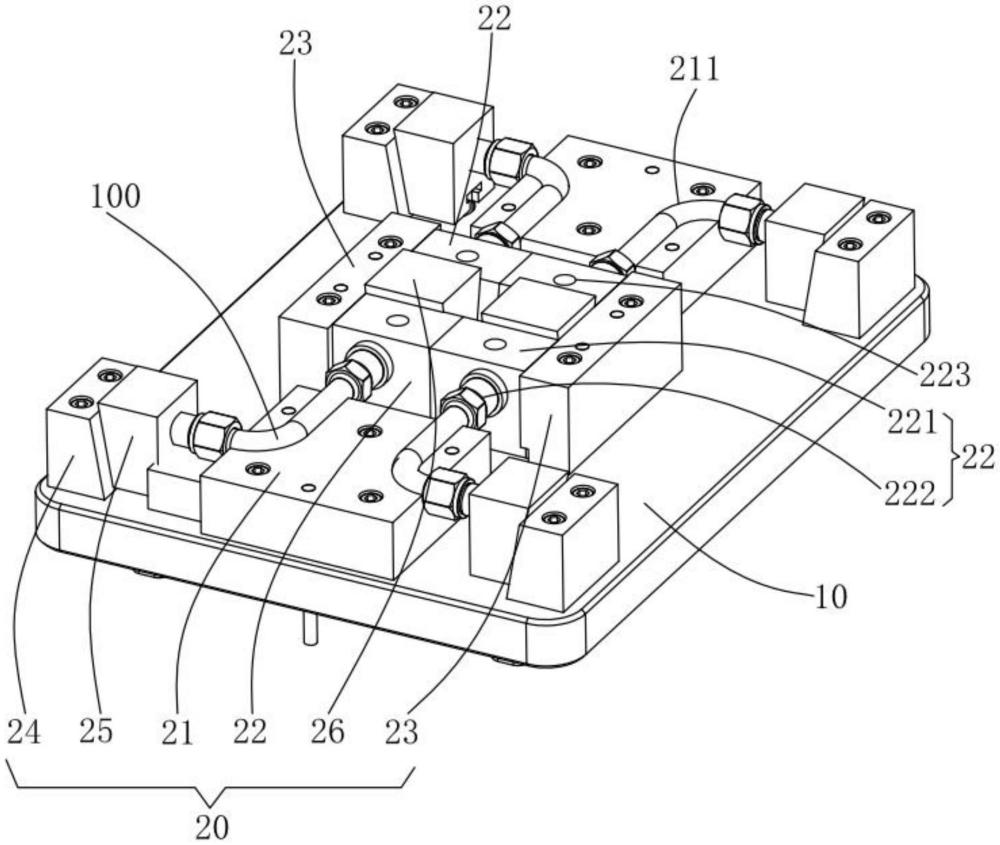
Patent Name:Forging die for high-strength bolts
Abstract
The present utility model discloses a forging die for high-strength bolts, comprising an upper die, a lower die, a positioning core, and cooling channels. Advantages: The die is constructed from high-temperature resistant alloy, offering superior wear resistance and an extended service life. The integrated cooling channels effectively dissipate heat generated during the forging process to prevent thermal deformation. Additionally, the positioning core ensures high forming precision, making the die ideal for the mass production of high-strength bolts.
Abstract Drawings
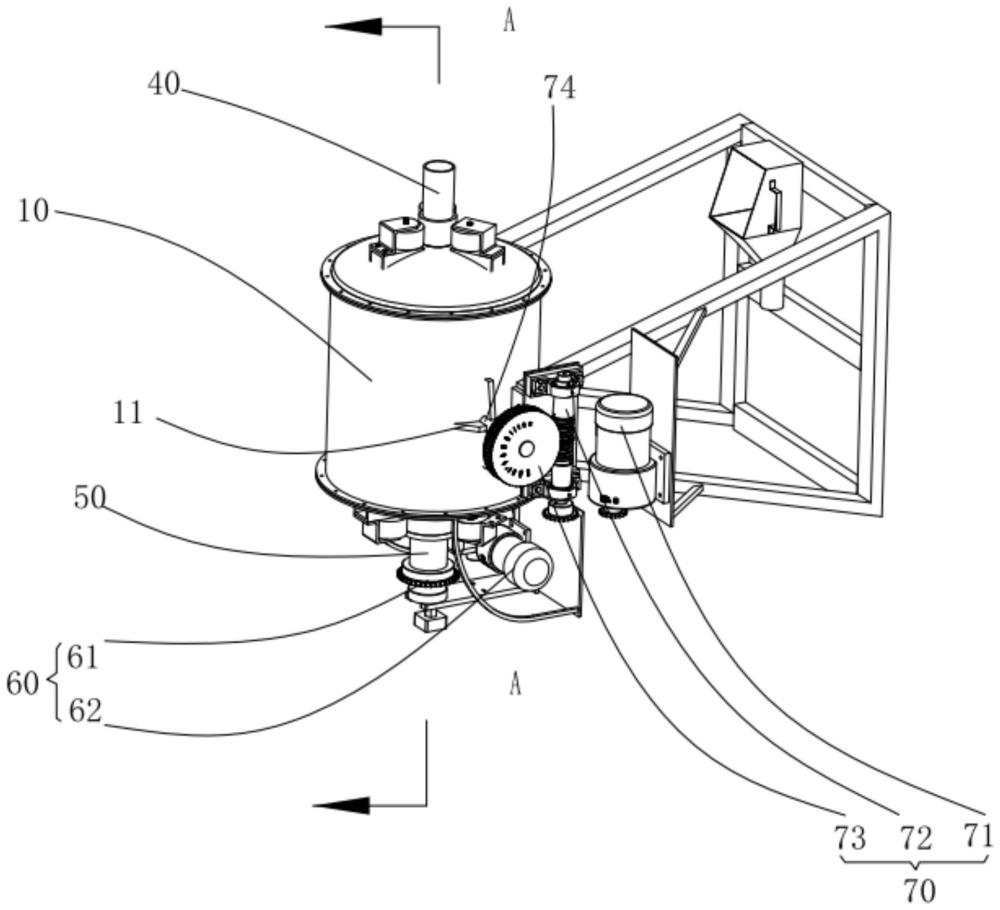
Patent Name:A precision detection device for nut tapping
Abstract
The present utility model discloses a precision inspection apparatus for nut tapping, comprising an inspection platform, a positioning fixture, a probe assembly, and a data display terminal. Advantages: The apparatus enables rapid detection of thread pitch diameter, pitch, and perpendicularity. It provides high-precision data with real-time recording and export capabilities. Featuring a user-friendly interface, it effectively monitors the quality of the nut tapping process and significantly reduces the defect rate.
Abstract Drawings
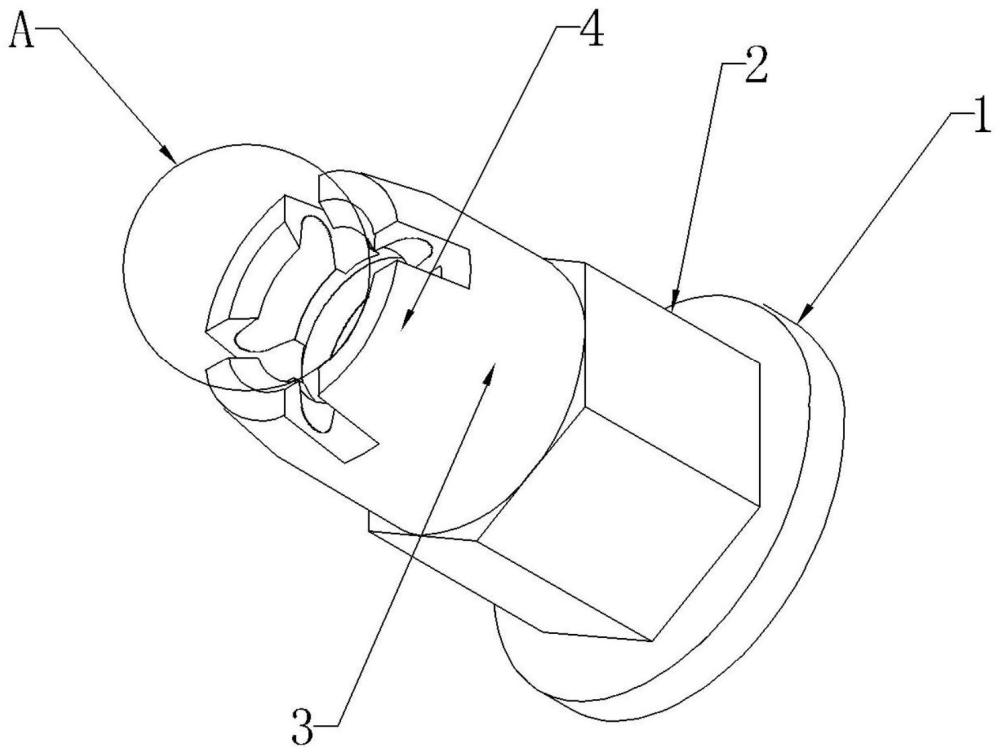
Patent Name:An automatic punching and forming line for washers
Abstract
The present utility model discloses an automated stamping production line for washers, comprising a coil decoiler, a leveling machine, a feeding mechanism, a multi-station stamping press, a shearing mechanism, and a finished product collection bin. Advantages: The production line achieves full automation from coil loading, leveling, and stamping to shearing and collection. It offers high production efficiency and ensures consistent forming precision. By significantly reducing labor costs, this system is ideal for the large-scale manufacturing of various flat washers and spring washers.
Abstract Drawings
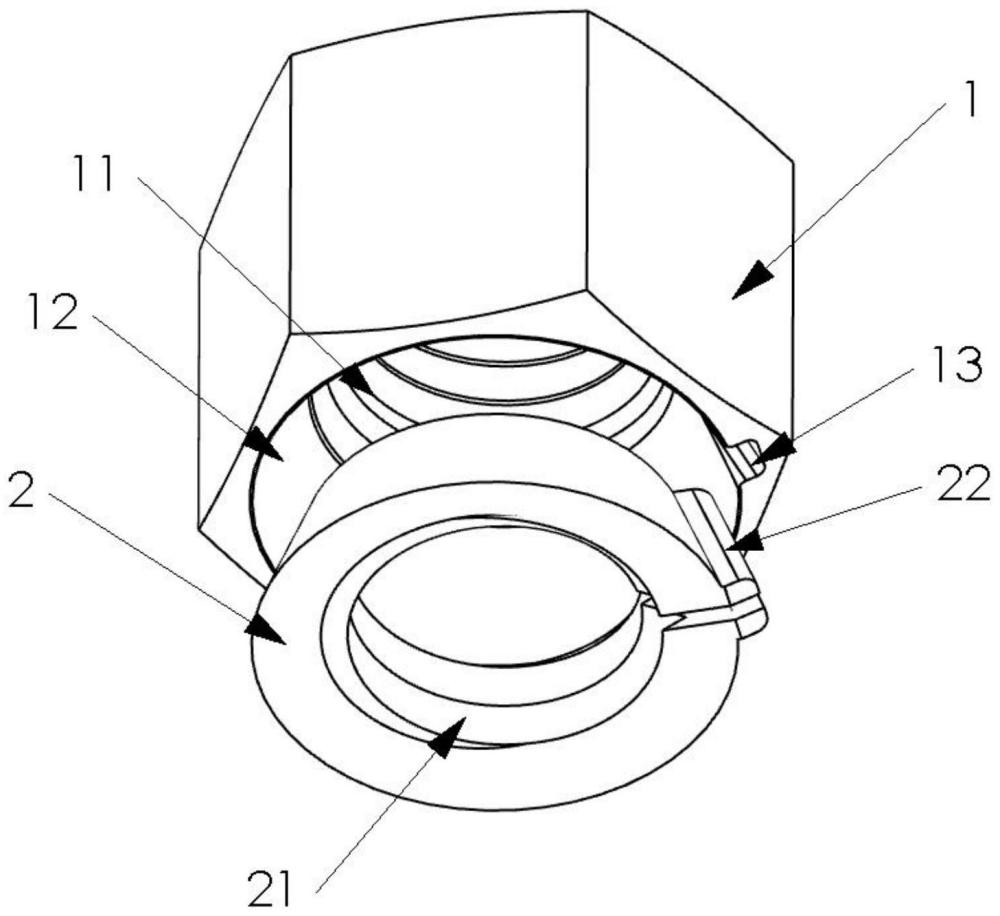
Patent Name:An auxiliary tool for circlip installation
Abstract
The present utility model discloses an auxiliary tool for circlip installation, comprising a grip handle, an expansion head, and an adjustment knob. Advantages: The tool is easy to operate, enabling the rapid and stable expansion of circlips for precise seating into designated slots. It effectively prevents deformation or damage to the circlip during the installation process. Furthermore, its adjustable design accommodates various circlip specifications, significantly enhancing installation efficiency and quality while reducing the difficulty of manual labor.
Abstract Drawings
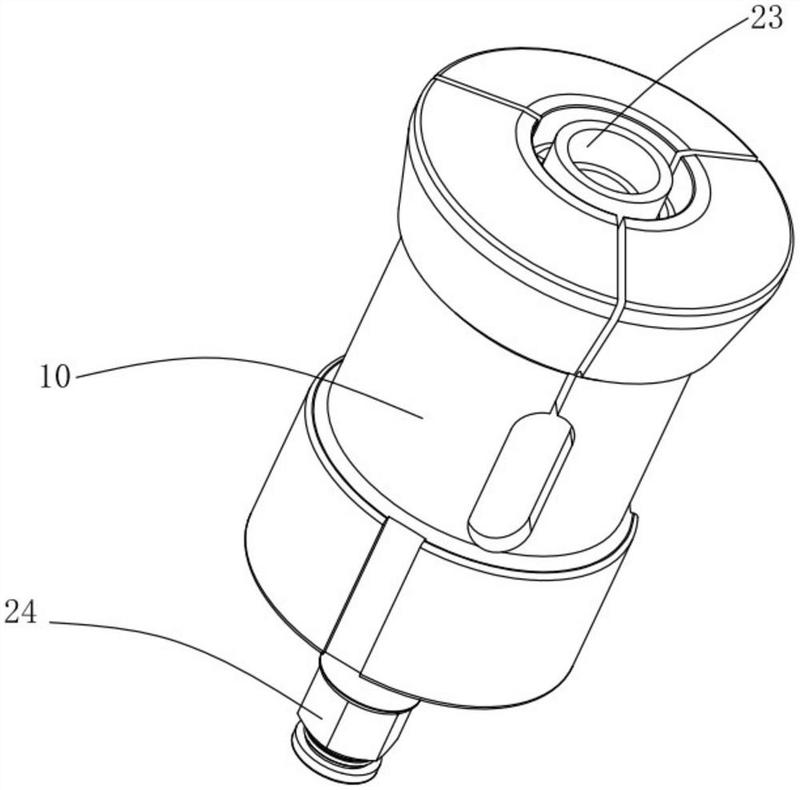
Patent Name:A constant temperature tempering furnace for rivets
Abstract
The present utility model discloses a constant temperature furnace for rivet heat treatment, comprising a furnace body, a furnace chamber, heating components, a temperature control system, and a conveyor mechanism. Advantages: The furnace features high temperature control precision and uniform thermal distribution within the chamber, ensuring consistent hardness and toughness after treatment. The integrated conveyor mechanism enables continuous feeding and discharging, significantly boosting processing efficiency. It is ideally suited for the mass heat treatment of various types of rivets.
Abstract Drawings
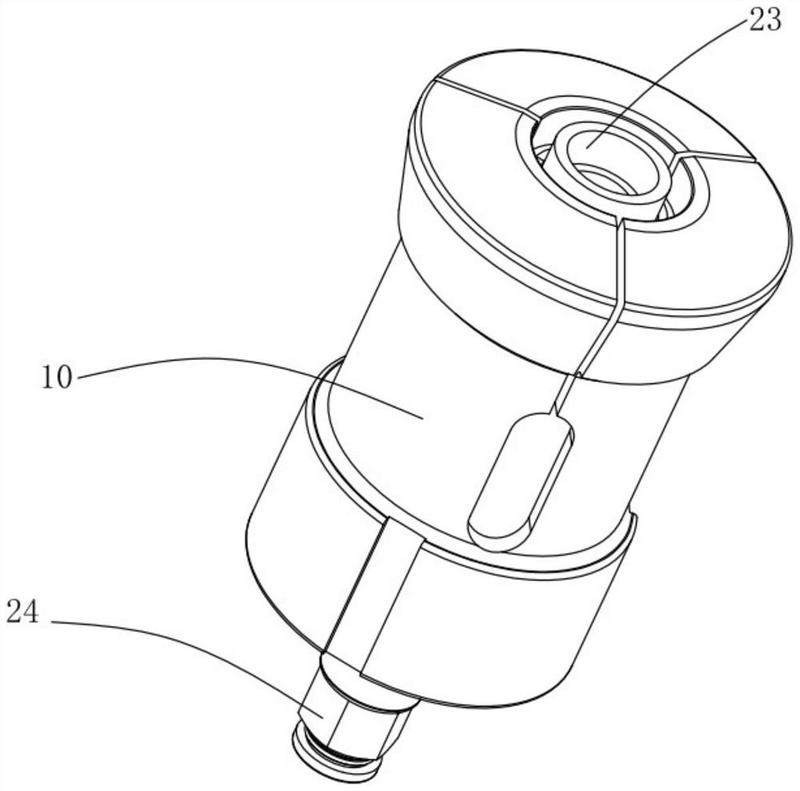
Patent Name:A high-precision grinding equipment for dowel pins
Abstract
The present utility model discloses a high-precision grinding equipment for dowel pins, comprising a grinding platform, a positioning fixture, a grinding head, a feed mechanism, and a precision inspection module. Advantages: Equipped with a diamond grinding head, the equipment achieves superior precision with micron-level tolerances. The smooth motion of the feed mechanism ensures exceptional cylindricity of the pins. Furthermore, the precision inspection module provides real-time feedback, allowing for instantaneous parameter adjustments. This system is ideally suited for the fine finishing of high-precision dowel pins.
Abstract Drawings
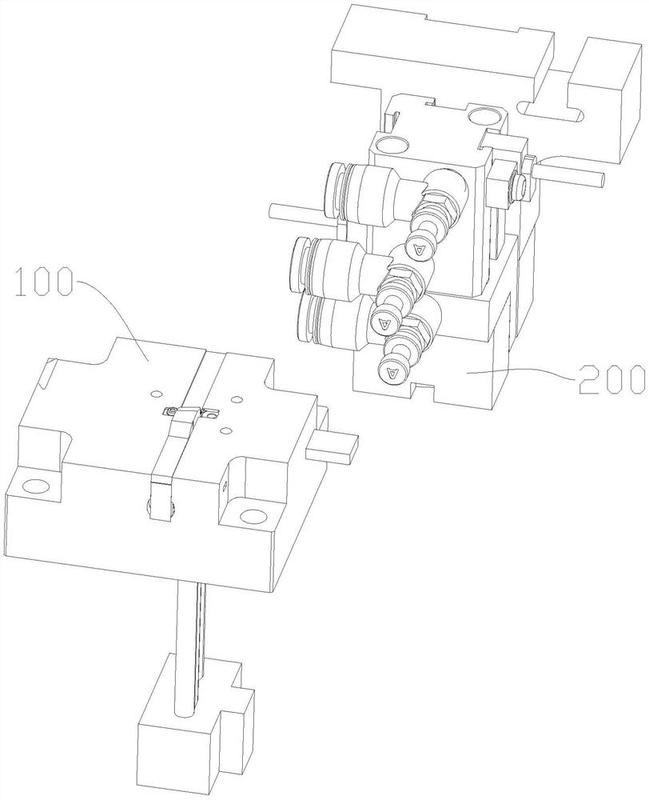
Patent Name:A welding quality detection device for weld studs
Abstract
The present utility model discloses an inspection apparatus for stud welding quality, comprising an inspection platform, a load cell (pull-force sensor), a clamping mechanism, a data processor, and a display terminal. Advantages: The apparatus enables rapid testing of the tensile strength and perpendicularity of welded studs. It provides precise and reliable data with real-time recording and export for full quality traceability. User-friendly and efficient, it enhances the control over stud welding quality and significantly mitigates the risk of non-conforming products reaching the customer.
Abstract Drawings
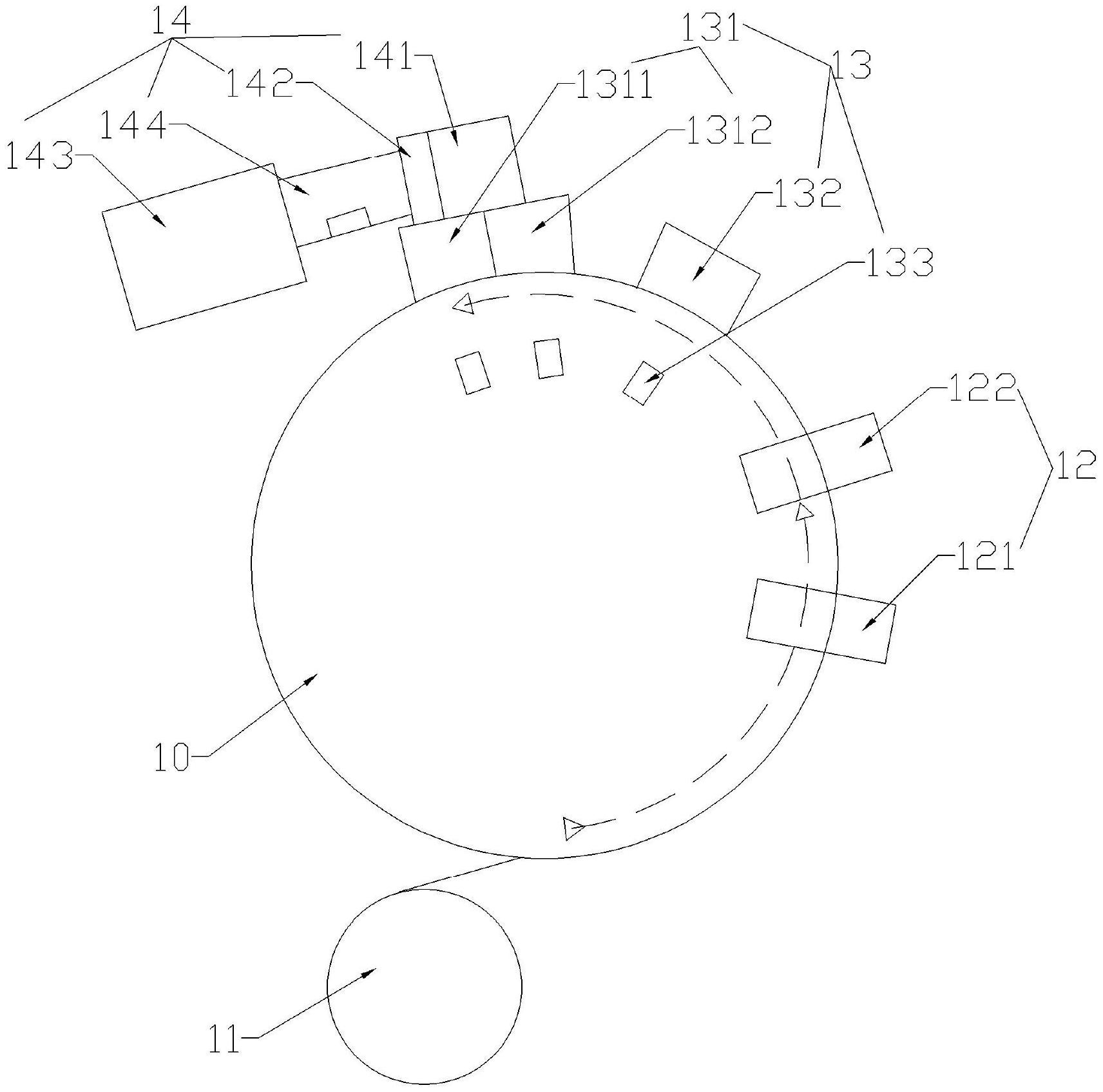
Patent Name:Quick-clamping tool for hose clamps
Abstract
The present utility model discloses a quick-clamping tool for hose clamps, comprising a handle, a transmission rod, a clamping head, and a positioning slot. The advantages are as follows: the tool is designed based on the lever principle, making clamping effortless and efficient; it can quickly tighten the clamp to a specified torque. Meanwhile, the positioning slot ensures the accurate clamping position of the clamp, avoiding deformation or insecure clamping; it is suitable for on-site installation and maintenance of various worm gear clamps and double-wire clamps.
Abstract Drawings
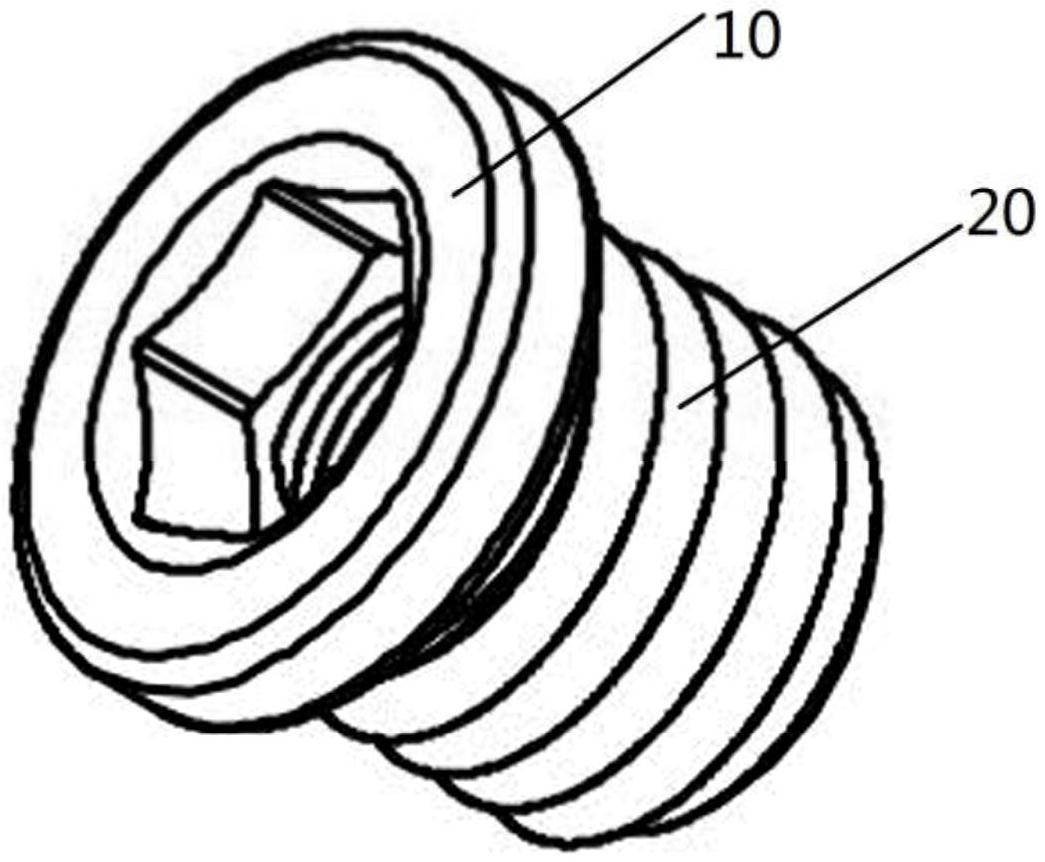
Patent Name:A processing fixture for precision support parts
Abstract
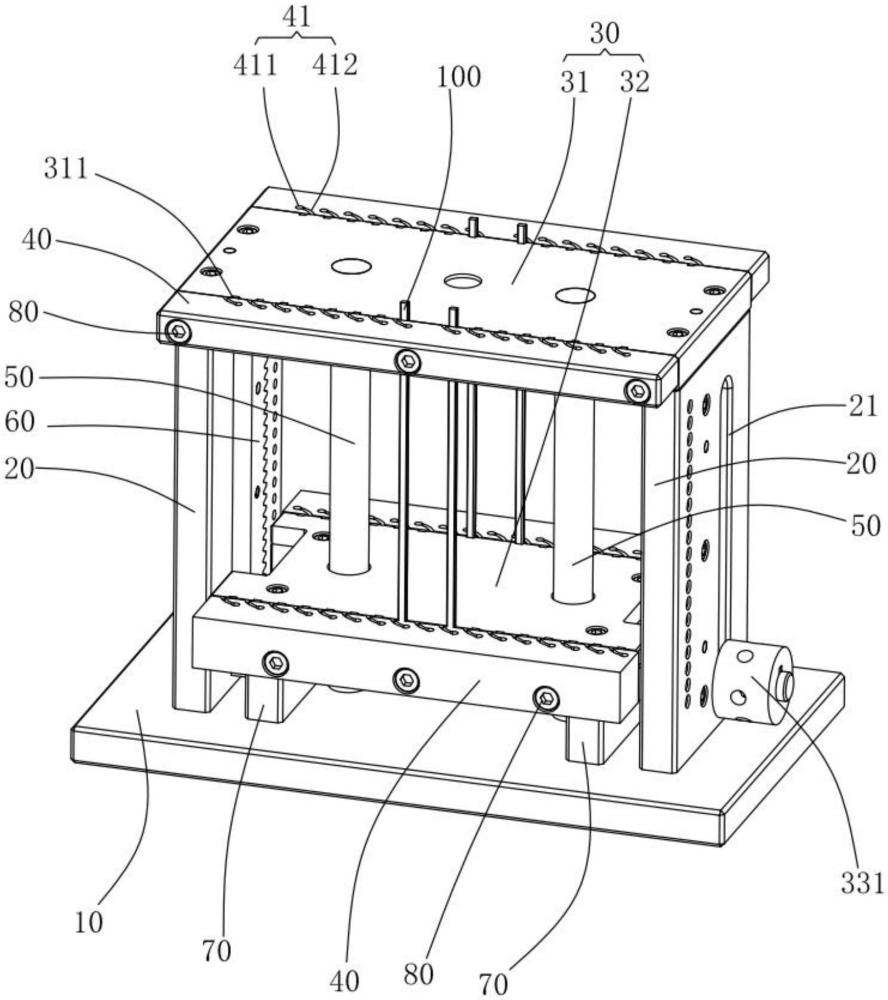
The present utility model discloses a processing fixture for precision support parts, comprising a fixture base, a positioning block, a clamping mechanism, and a fine-adjustment knob. The advantages are as follows: the fixture features high positioning precision and enables rapid clamping and disassembly of support parts; the fine-adjustment knob allows for micron-level adjustment of the processing position of the support parts, ensuring consistency in machining dimensions. Meanwhile, the fixture possesses high rigidity, effectively resisting cutting forces during the machining process and preventing deformation of the support parts; it is suitable for milling and drilling of various types of precision support parts.
Abstract Drawings
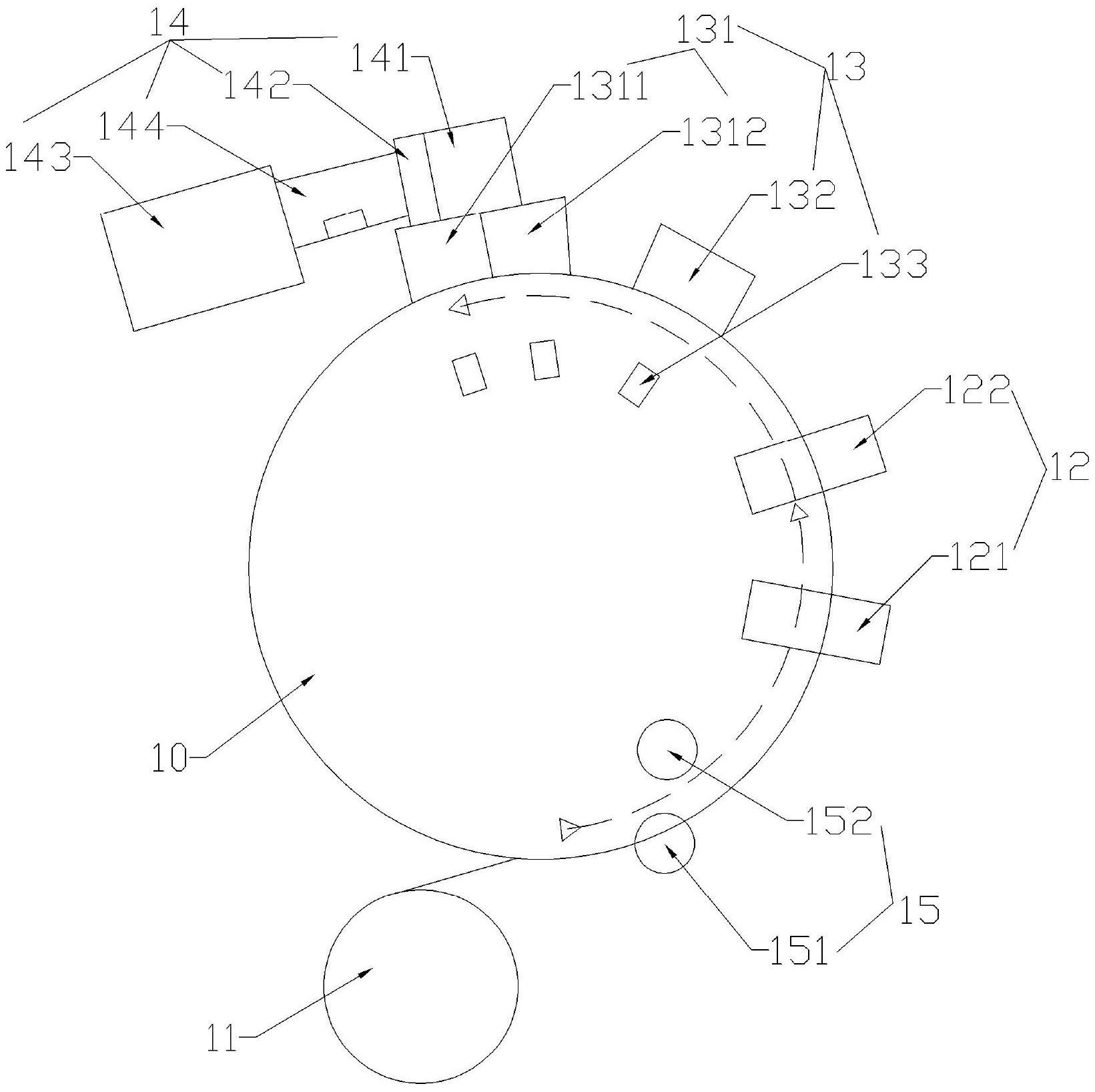
Patent Name:A chain pitch calibration device
Abstract
The present utility model discloses a chain pitch calibration device, comprising a calibration platform, positioning pins, a measurement probe, a data display module, and an alarm device. The advantages are as follows: the device can quickly detect the pitch error of the chain with high measurement precision; it can display calibration data in real-time and automatically trigger an alarm when the pitch error exceeds a set threshold, facilitating timely adjustments by operators; it effectively ensures the transmission precision and service life of the chain and is suitable for pitch calibration of various roller chains and conveyor chains.
Abstract Drawings
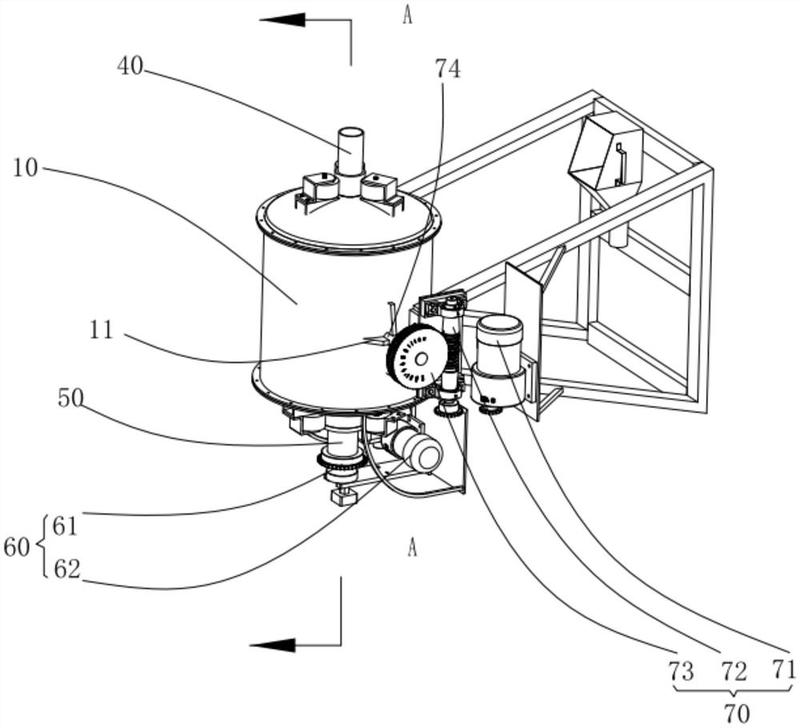
Patent Name:A precision cutting equipment for flat keys
Abstract
The present utility model discloses a precision cutting equipment for flat keys, comprising a feeding mechanism, a positioning fixture, a cutting tool, a feed mechanism, and a waste collection bin. The advantages are as follows: the equipment utilizes high-speed steel (HSS) cutting tools, featuring fast cutting speeds and smooth, burr-free cuts; the positioning fixture ensures the precision of the cutting length of the flat keys; the movement of the feed mechanism is stable, enabling fully automated feeding and cutting, which improves production efficiency and reduces labor costs; it is suitable for batch cutting processing of various types of flat keys.
Abstract Drawings
Patent Name:A balance detection device for transmission shafts
Abstract
The present utility model discloses a balance detection device for transmission shafts, comprising a detection frame, support rollers, a driving motor, a vibration sensor, a data processor, and a display terminal. The advantages are as follows: the device features high detection precision and can quickly identify the dynamic balance errors of transmission shafts; it can display the unbalance amount and position in real-time, facilitating correction by operators. The rotational speed of the driving motor is adjustable to adapt to the detection requirements of transmission shafts with different specifications; it is suitable for the factory quality inspection of various transmission shafts.
Abstract Drawings
Patent Name:An anti-detachment screw structure
Abstract
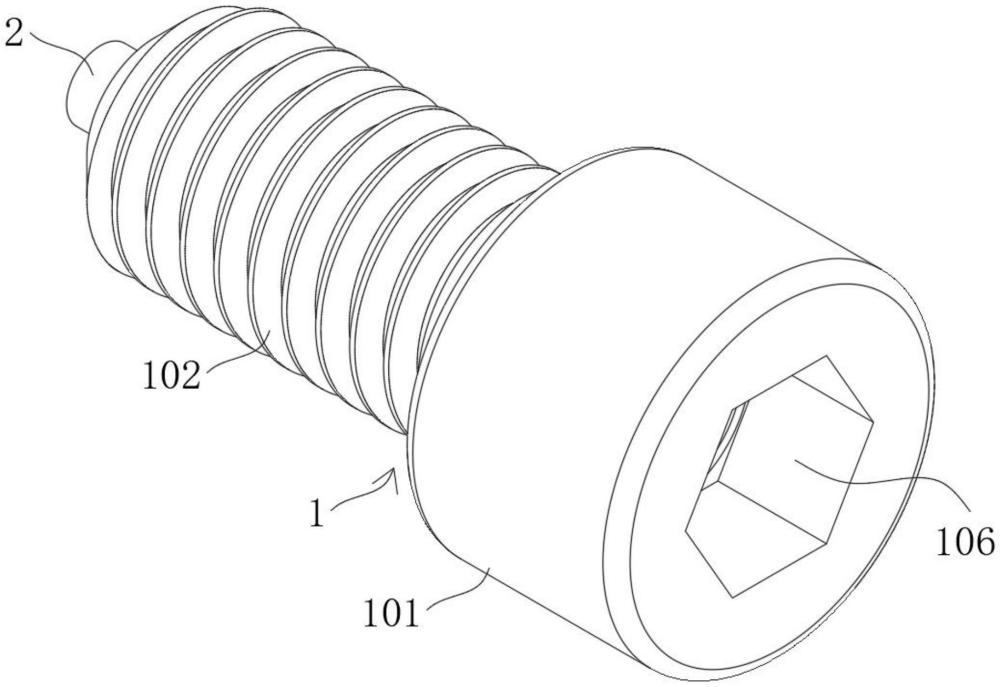
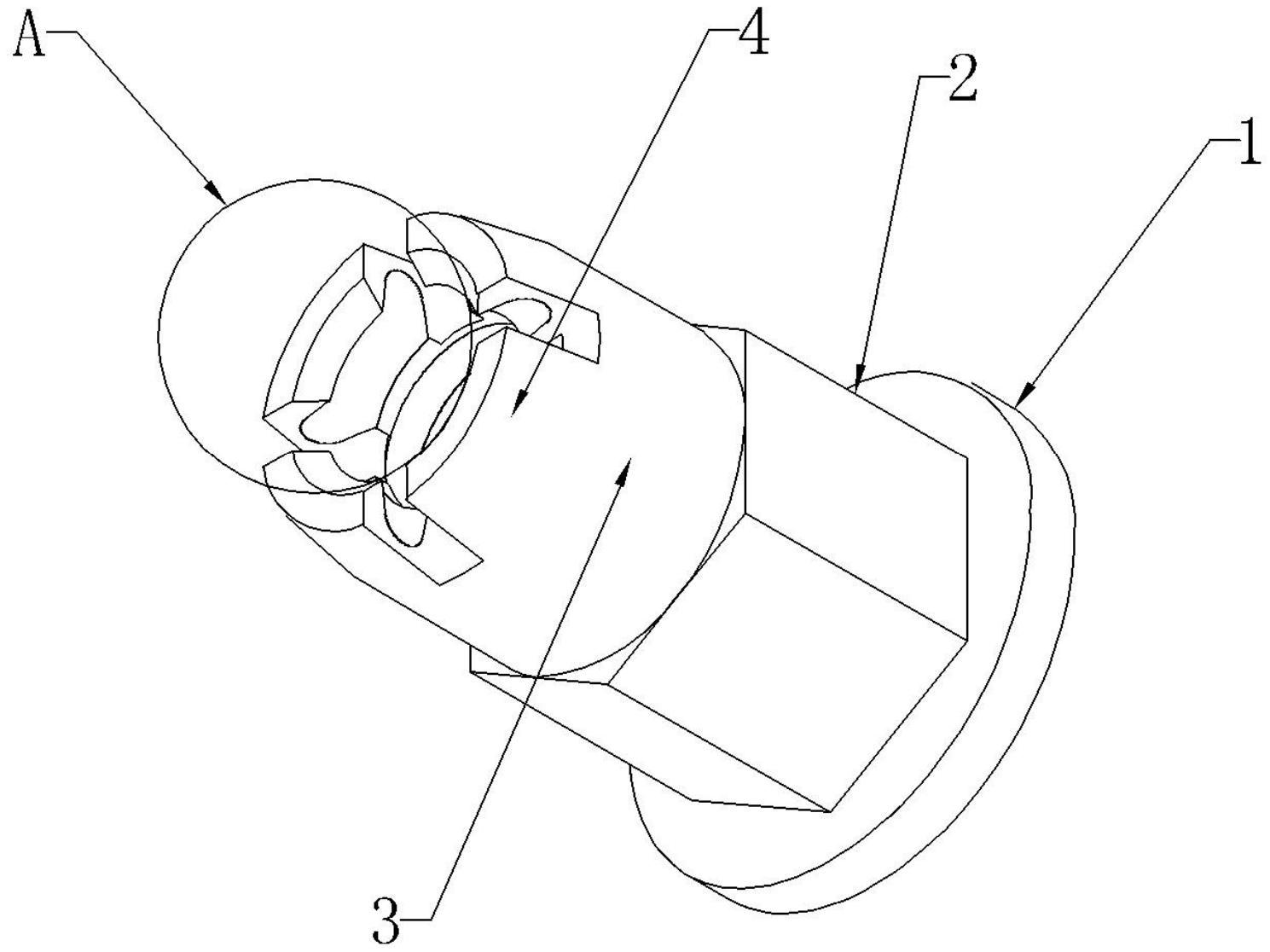
The present invention discloses an anti-detachment screw structure, comprising a screw head, a screw shank, a threaded section, and anti-detachment claws. The advantages are as follows: the anti-detachment claws of the invention can be embedded into the reserved slots of the connected parts after the screw is tightened, effectively preventing the screw from loosening or falling off in vibrating environments. Meanwhile, the threaded section of the screw adopts a fine-pitch thread design, which improves the connection stability of the screw. The structure is simple and convenient to process, making it suitable for various types of equipment requiring high-reliability connections.
Abstract Drawings

Patent Name:Manufacturing process for corrosion-resistant bolts
Abstract
The present invention discloses a manufacturing process for corrosion-resistant bolts, comprising steps such as blanking, forging, heat treatment, surface sandblasting, nickel-phosphorus alloy electroplating, sealing treatment, and detection. The advantages are as follows: the processing technology of the invention can form a dense nickel-phosphorus alloy coating on the surface of the bolt, significantly enhancing the bolt's corrosion resistance, particularly for harsh environments such as marine and chemical industries. Meanwhile, the coating features strong adhesion and is resistant to peeling, which ensures the service life of the bolt; the process is simple and efficient, making it suitable for large-scale industrial production.
Abstract Drawings
Patent Name:A self-locking nut structure
Abstract
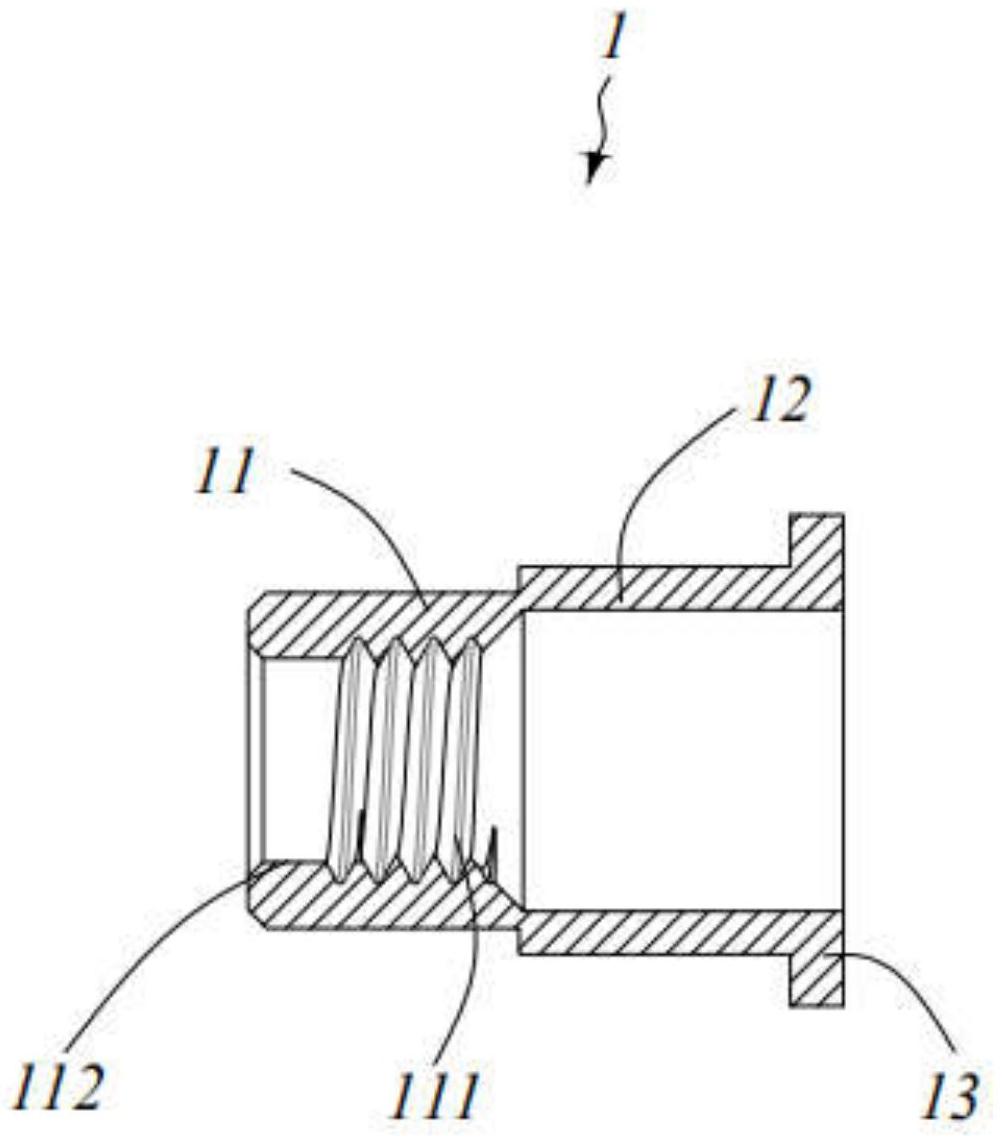
The present invention discloses a self-locking nut structure, comprising a nut body, a self-locking threaded section, an elastic washer, and anti-loosening bosses. The advantages are as follows: the self-locking threaded section of the invention adopts a wedge-shaped thread design, which can generate self-locking force after tightening to effectively prevent the nut from loosening; the elastic washer can absorb vibration energy to further enhance the anti-loosening effect; the anti-loosening bosses can restrict the rotation of the nut. The structure is compact and easy to use, making it suitable for various high-strength connection scenarios.
Abstract Drawings
Patent Name:A material formula for high-temperature resistant washers
Abstract
The present invention discloses a material formula for high-temperature resistant washers. Calculated by weight, it comprises: 60-80 parts of polytetrafluoroethylene (PTFE), 10-20 parts of glass fiber, 5-10 parts of carbon fiber, 3-8 parts of mica powder, 1-3 parts of antioxidant, and 0.5-2 parts of lubricant. The advantages are as follows: the washer material of the invention exhibits excellent high-temperature resistance and can be used for long periods in high-temperature environments ranging from 200°C to 300°C. Meanwhile, it possesses superior sealing performance and wear resistance, is resistant to aging and deformation, and is suitable for sealing connections in various high-temperature equipment.
Abstract Drawings
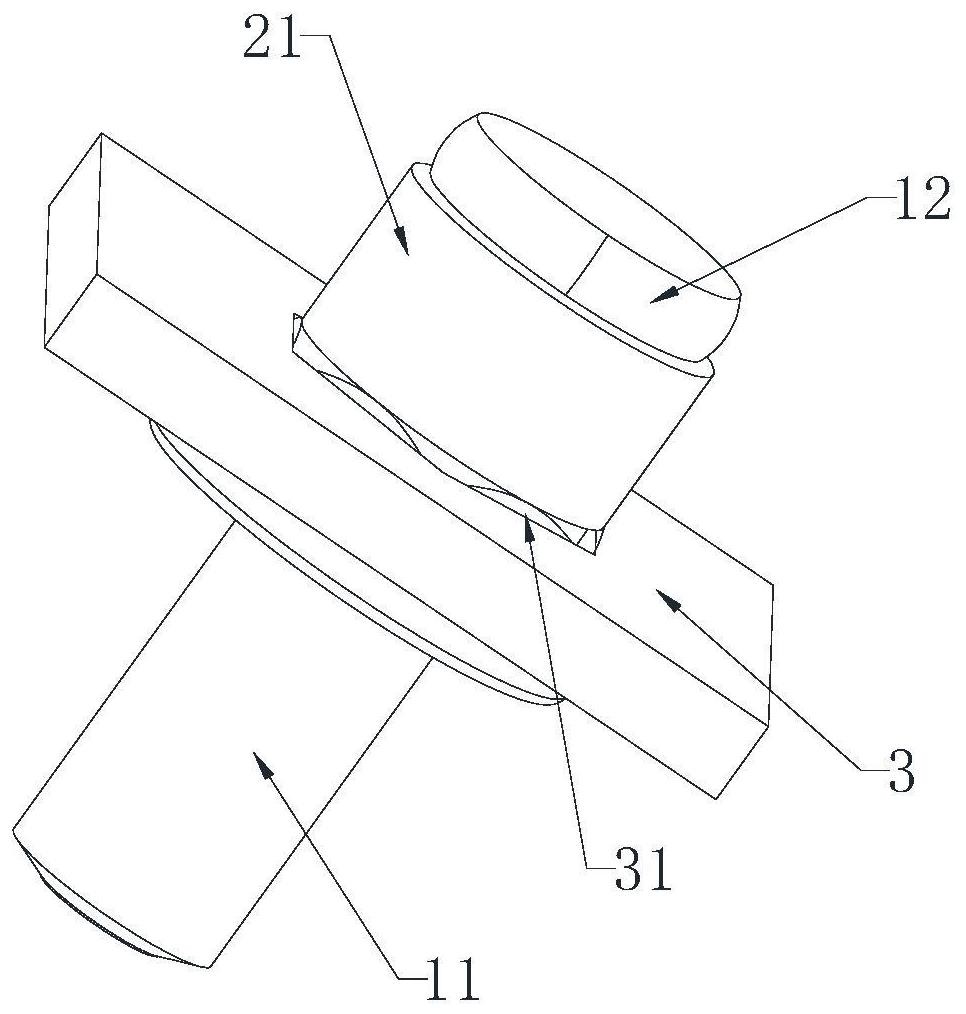
Patent Name:A forming process for open-end circlips
Abstract
The present invention discloses a forming process for open-end circlips, comprising steps such as coil blanking, leveling, stamping, cutting, heat treatment, surface treatment, and detection. The advantages are as follows: the forming process of the invention utilizes multi-station continuous stamping to achieve fully automated forming of open-end circlips, resulting in high production efficiency. The dimensional precision and roundness consistency of the circlips are excellent; the heat treatment step enhances the elasticity and hardness of the circlips, while the surface treatment prevents the circlips from rusting. It is suitable for the batch production of various types of open-end circlips.
Abstract Drawings
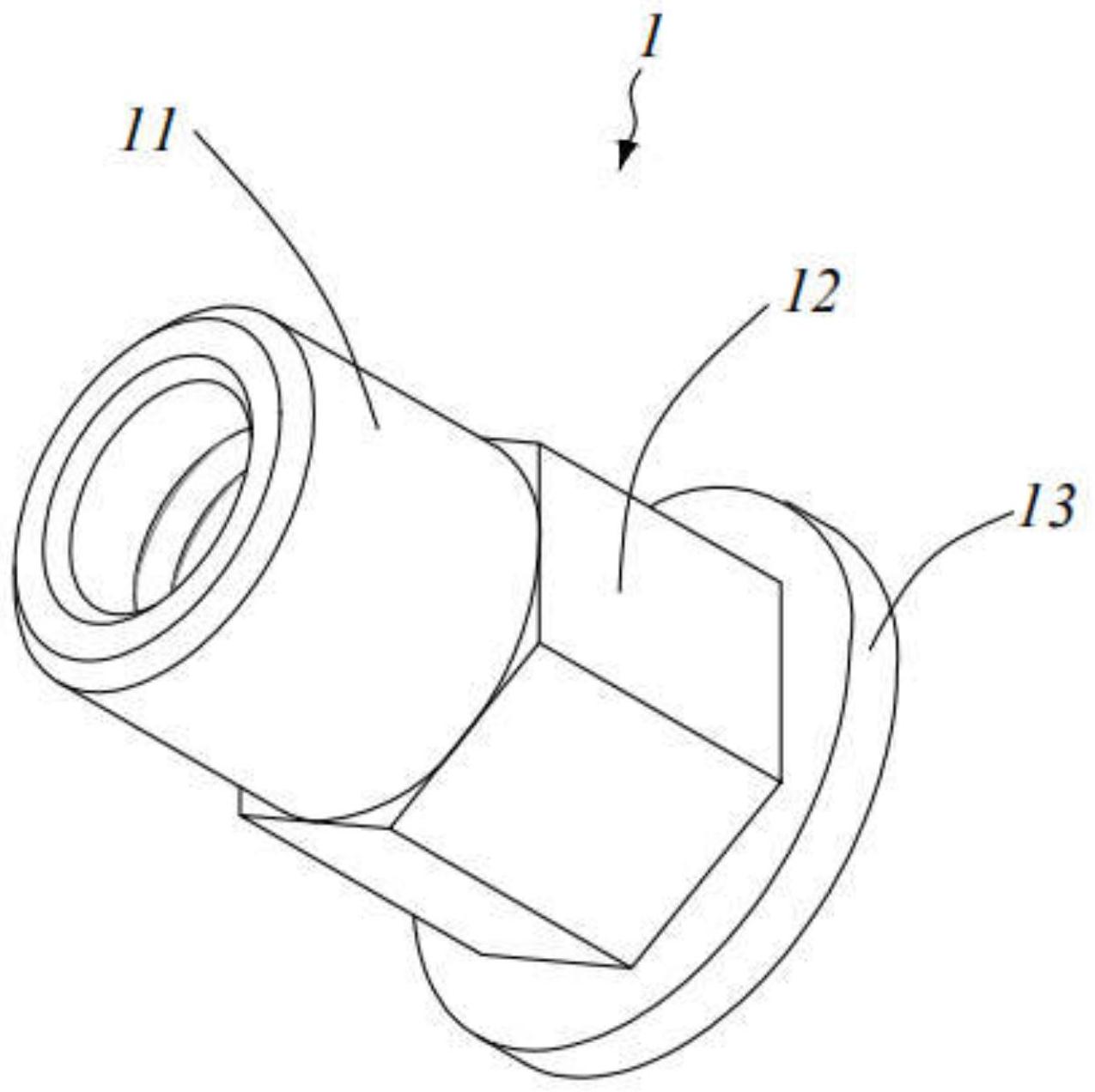
Patent Name:A riveting equipment for hollow rivets
Abstract
The present utility model discloses a riveting equipment for hollow rivets, comprising a frame, a feeding mechanism, a positioning fixture, a riveting head, a pressing mechanism, and a finished product collection mechanism. The advantages are as follows: the equipment achieves fully automated feeding, positioning, and riveting of hollow rivets; the riveting pressure is adjustable to ensure consistent riveting quality and prevent deformation or loosening of the rivets during the process. Meanwhile, the equipment is easy to operate with high production efficiency, making it suitable for batch riveting operations of various types of hollow rivets.
Abstract Drawings

Patent Name:An automatic feeding device for tapered pins
Abstract
The present utility model discloses an automatic feeding device for tapered pins, comprising a hopper, a vibrating feed track, an orientation alignment mechanism, a conveyor belt, and a positioning push mechanism. The advantages are as follows: the device achieves fully automated feeding and directional alignment of tapered pins, ensuring that the pins are transported to the processing station in a unified posture and preventing material jams; meanwhile, the feeding speed is adjustable to match different processing equipment, improving production efficiency and reducing the labor intensity of manual feeding.
Abstract Drawings
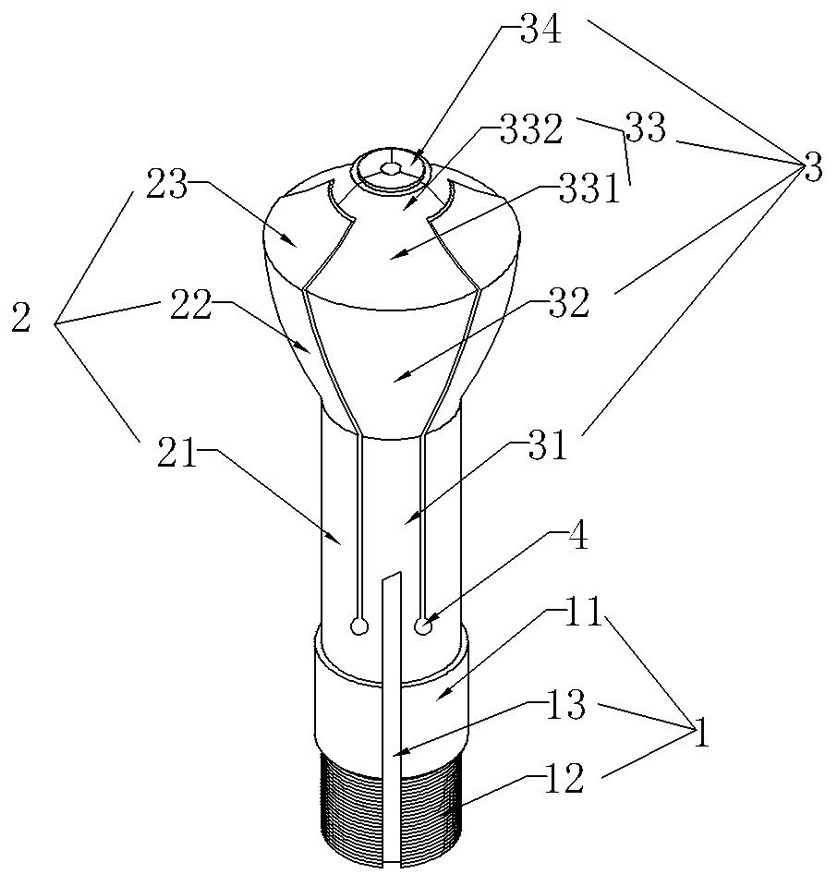
Patent Name:A storage rack for screw stud rivets
Abstract
The present utility model discloses a storage rack for screw stud rivets, comprising a rack body, multi-layer storage slots, partitions, a retrieval port, and a dust cover. The advantages are as follows: the storage slots of the rack feature an inclined design, facilitating the automatic sliding and retrieval of the stud rivets; the partitions allow for the classified storage of stud rivets of different specifications to avoid confusion; the dust cover prevents dust from entering the storage slots, protecting the surface quality of the stud rivets. The rack has a compact structure and a small footprint, making it easy to place and manage on the workshop floor.
Abstract Drawings
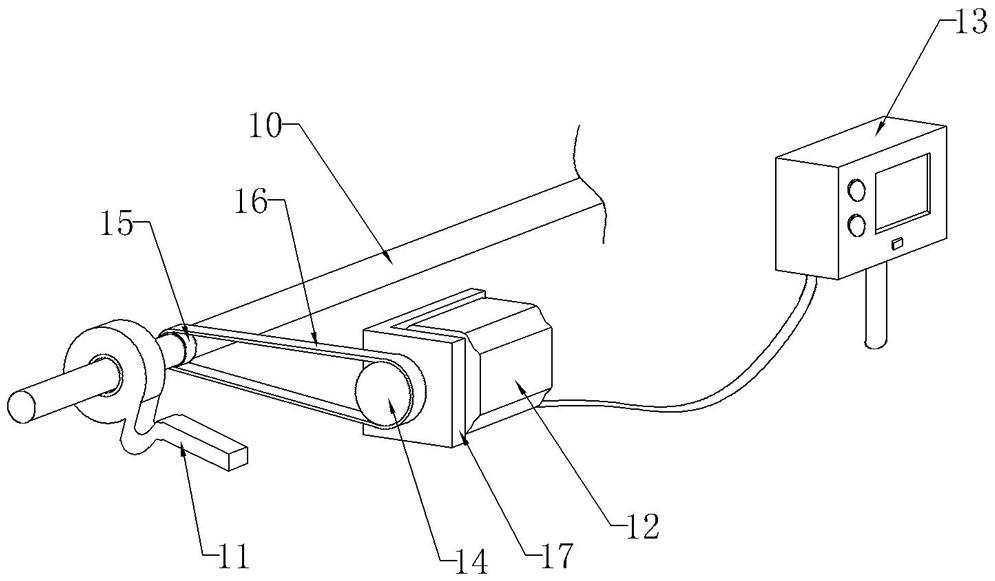
Patent Name:A polishing device for stainless steel clamps
Abstract
The present utility model discloses a polishing device for stainless steel clamps, comprising a polishing frame, polishing wheels, a conveying fixture, a variable-speed motor, and a dust removal device. The advantages are as follows: the device utilizes multiple sets of polishing wheels for continuous polishing, which can quickly remove burrs and oxide layers from the surface of stainless steel clamps; the polished clamps feature a high surface finish and uniform color; the conveying fixture ensures accurate polishing positions for the clamps, while the dust removal device collects dust generated during the process to protect the environment. It is suitable for the batch polishing of various types of stainless steel clamps.
Abstract Drawings
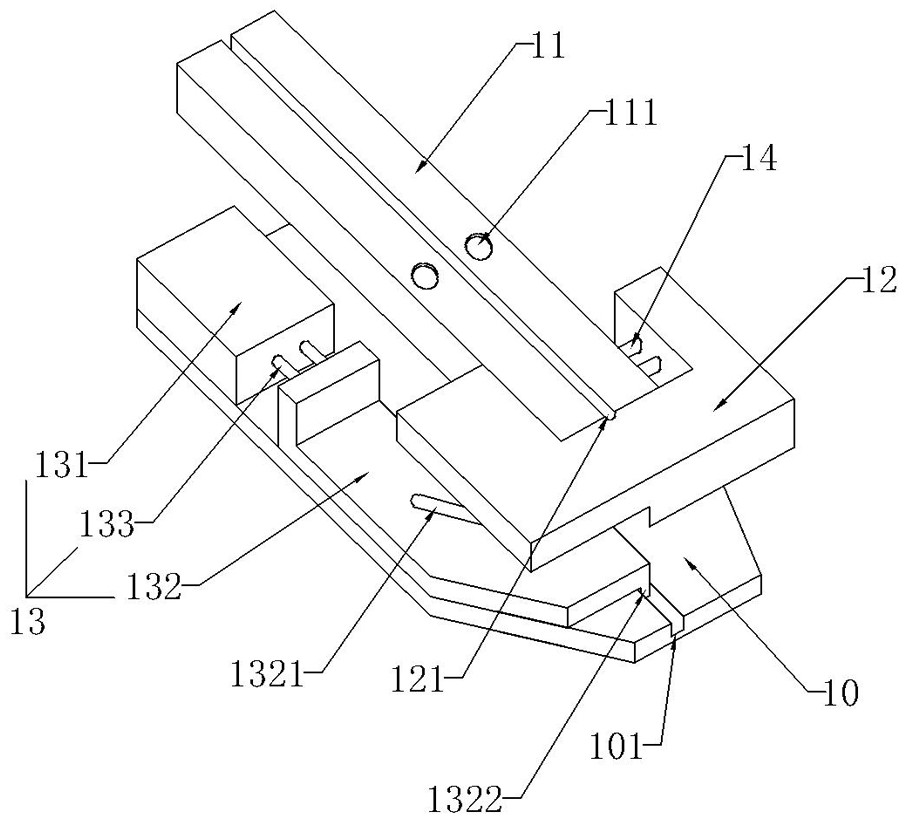
Patent Name:A surface spray coating equipment for support parts
Abstract
The present utility model discloses a surface spray coating equipment for support parts, comprising a spray booth, a rotary table, spray guns, a coating supply system, a drying system, and an exhaust gas treatment system. The advantages are as follows: the equipment utilizes the rotary table to drive the support parts to rotate, and the spray guns can achieve 360° all-around spraying without dead angles, ensuring uniform coating application. The drying system can quickly cure the coating to improve spraying efficiency; meanwhile, the exhaust gas treatment system can purify the waste gas generated during the spraying process to meet environmental requirements. It is suitable for surface anti-corrosion and decorative spraying of various support parts.
Abstract Drawings
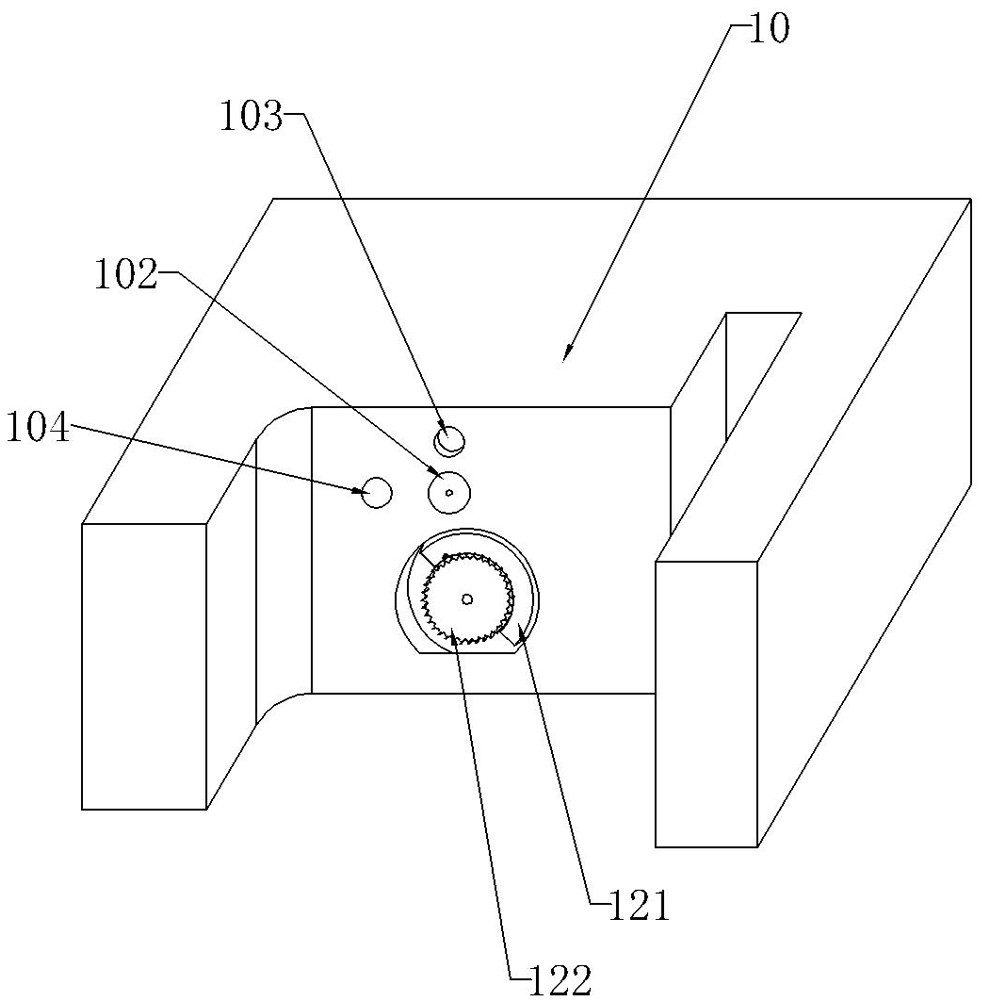
Patent Name:A roller chain assembly equipment
Abstract
The present utility model discloses a roller chain assembly equipment, comprising an outer link plate feeding mechanism, an inner link plate feeding mechanism, a roller feeding mechanism, a pin shaft press-fitting mechanism, and a chain tensioning mechanism. The advantages are as follows: the equipment achieves fully automated assembly of roller chains, integrating the processes from component feeding to pin shaft press-fitting and chain tensioning; it features high assembly precision and excellent pitch consistency; the production efficiency is significantly improved, effectively replacing manual assembly and reducing production costs; it is suitable for the batch production of various types of roller chains.
Abstract Drawings
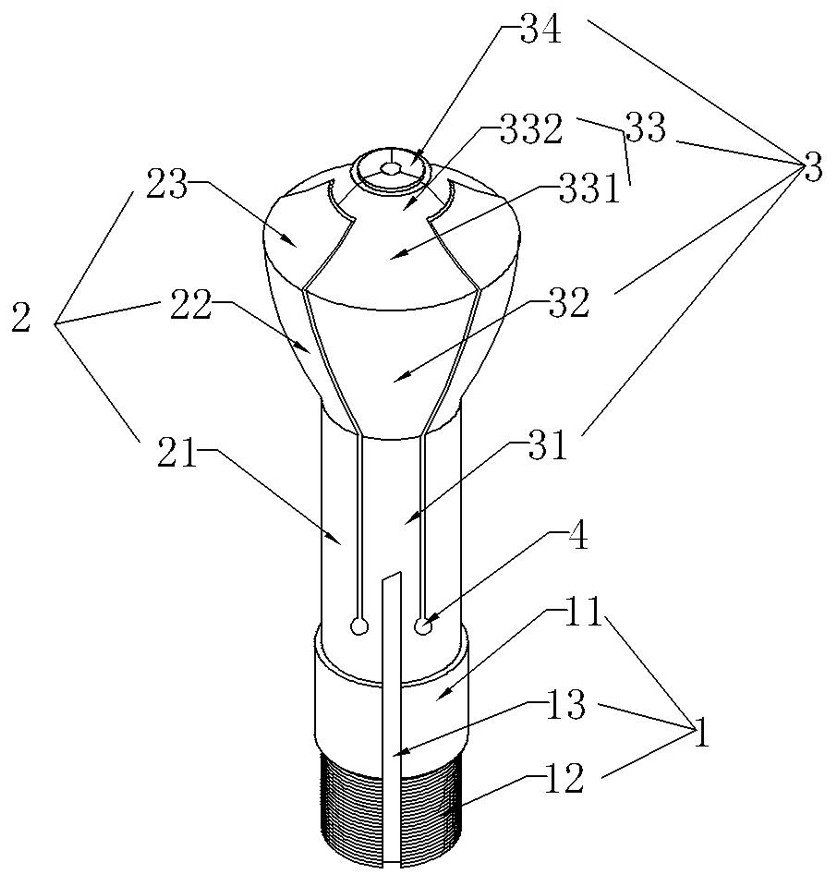
Patent Name:A machining tool for sprocket chains
Abstract
The present utility model discloses a machining tool for sprocket chains, comprising a tool holder, a tool shank, a cutting head, and a chip flute. The advantages are as follows: the cutting head of the tool is made of carbide material, featuring strong wear resistance and a long service life; the angle of the cutting edge is optimized to ensure low cutting resistance and high processing efficiency; the chip flute can quickly discharge iron chips generated during the cutting process, preventing chip accumulation from affecting machining precision; it is suitable for the milling of various types of spline shafts.
Abstract Drawings
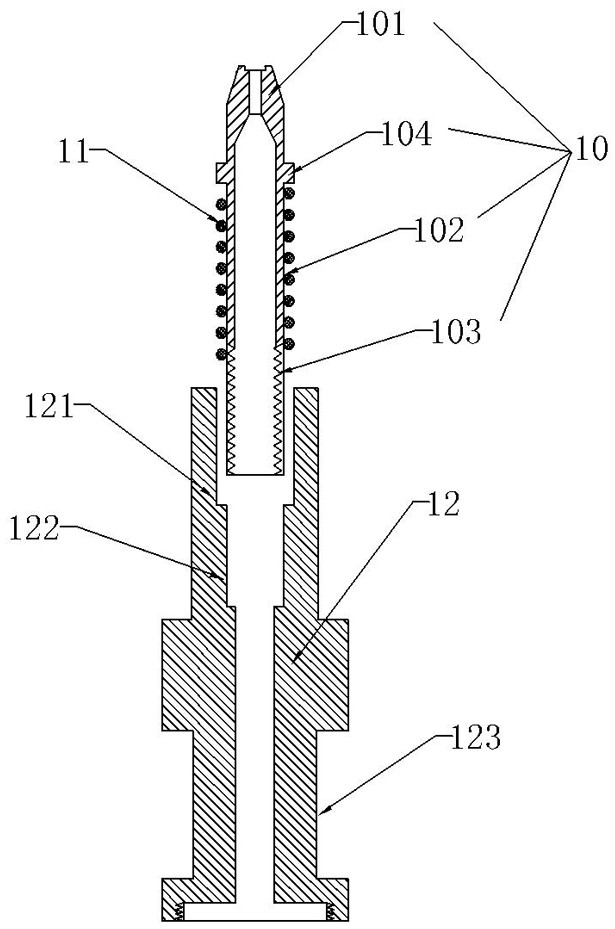
Patent Name:An automatic counting and packaging device for fasteners
Abstract
The present utility model discloses an automatic counting and packaging device for fasteners, comprising a feeding track, a photoelectric counter, a control module, a packaging machine, and an alarm device. The advantages are as follows: the device utilizes a photoelectric counter to achieve automatic counting of fasteners, featuring high counting precision with zero error. When the count reaches a preset value, the control module automatically triggers the packaging machine for packaging; meanwhile, the alarm device reminds operators to replace the packaging bags. It achieves the automation and intelligence of fastener packaging, improves packaging efficiency, and reduces the labor intensity of manual counting.
Abstract Drawings
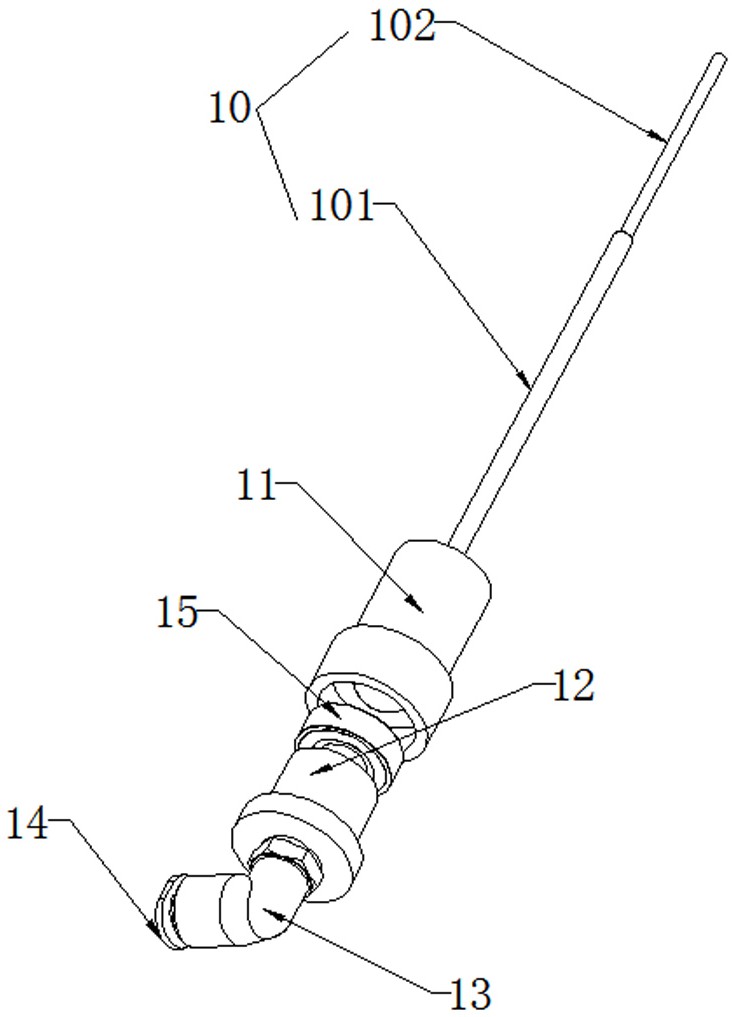
Patent Name:A thread repair tool for bolts
Abstract
The present utility model discloses a thread repair tool for bolts, comprising a gripping handle, a repair rod, thread chasers, and a fine-adjustment knob. The advantages are as follows: the tool is easy to operate and can quickly repair damaged threads on the bolt surface; the thread chasers can comb and restore deformed thread teeth; the fine-adjustment knob allows for adjusting the feed depth of the repair rod to prevent excessive repair from damaging the bolt. Meanwhile, the tool is compact and easy to carry, making it suitable for emergency repair and daily maintenance of bolt threads on-site.
Abstract Drawings
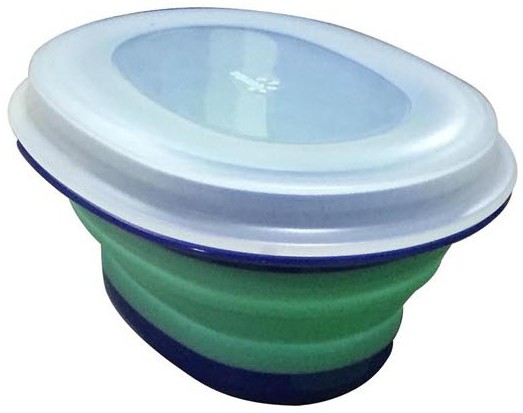
Patent Name:A size screening equipment for nuts
Abstract
The present utility model discloses a size screening equipment for nuts, comprising a vibrating feed tray, graded screening tracks, size detection probes, a sorting mechanism, and finished product bins. The advantages are as follows: the equipment achieves fully automated size screening of nuts; the graded screening tracks can initially separate nuts of different specifications, and the size detection probes can precisely detect the inner diameter, outer diameter, and thickness of the nuts; the sorting mechanism can automatically reject unqualified nuts. It features high production efficiency and screening precision, making it suitable for the factory quality screening of various types of nuts.
Abstract Drawings
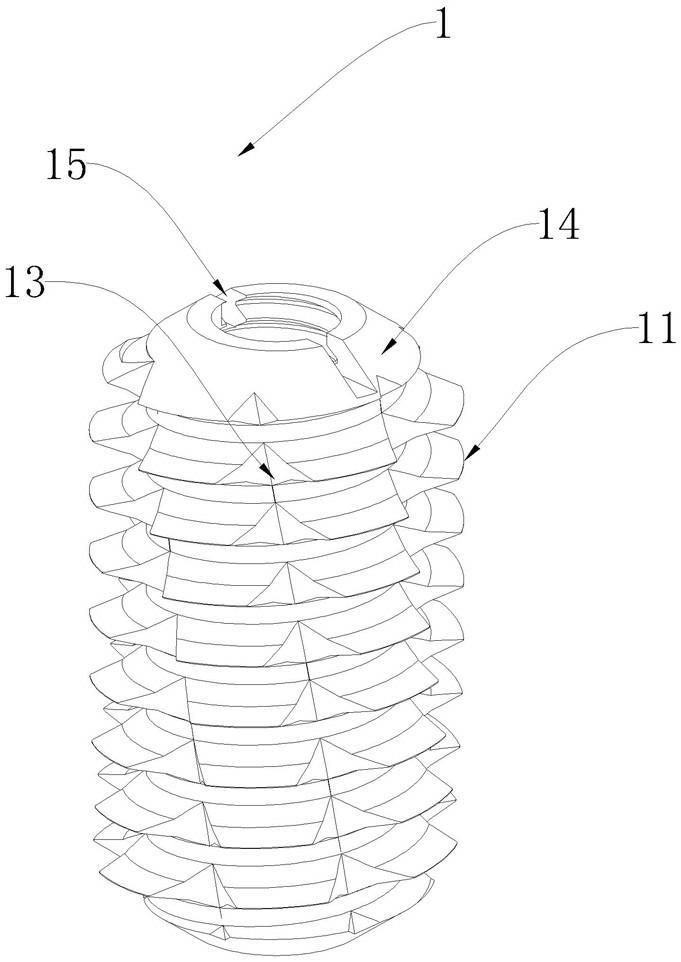
Patent Name:A flatness detection device for washers
Abstract
The present utility model discloses a flatness detection device for washers, comprising a detection platform, a positioning seat, a laser displacement sensor, a rotary table, and a data processing terminal. The advantages are as follows: the device utilizes a laser displacement sensor to detect the flatness of the washer surface, featuring high detection precision; the non-contact detection ensures no damage to the washer surface; the rotary table drives the washer to rotate, enabling full-circumference flatness detection; the data processing terminal can display detection results in real-time and generate reports, facilitating quality traceability. It is suitable for flatness detection of various types of washers.
Abstract Drawings
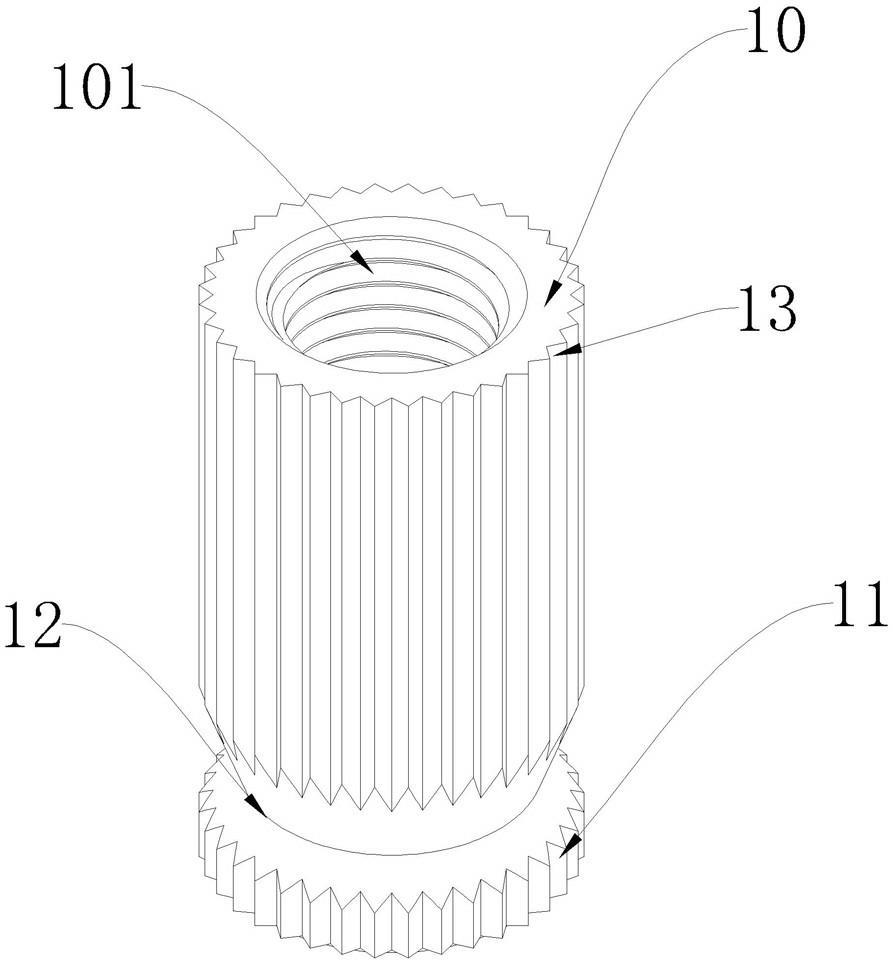
Patent Name:A hardness detection equipment for circlips
Abstract
The present utility model discloses a hardness detection equipment for circlips, comprising a detection frame, a hardness indenter, a loading mechanism, a displacement sensor, and a data display terminal. The advantages are as follows: the equipment can quickly detect the surface hardness and core hardness of the circlips; the pressure of the loading mechanism is adjustable to adapt to the detection needs of circlips with different specifications; the displacement sensor can precisely record the indentation depth of the indenter; the data display terminal can display hardness values in real-time and save detection data, facilitating quality traceability. It is suitable for hardness detection of various types of circlips.
Abstract Drawings
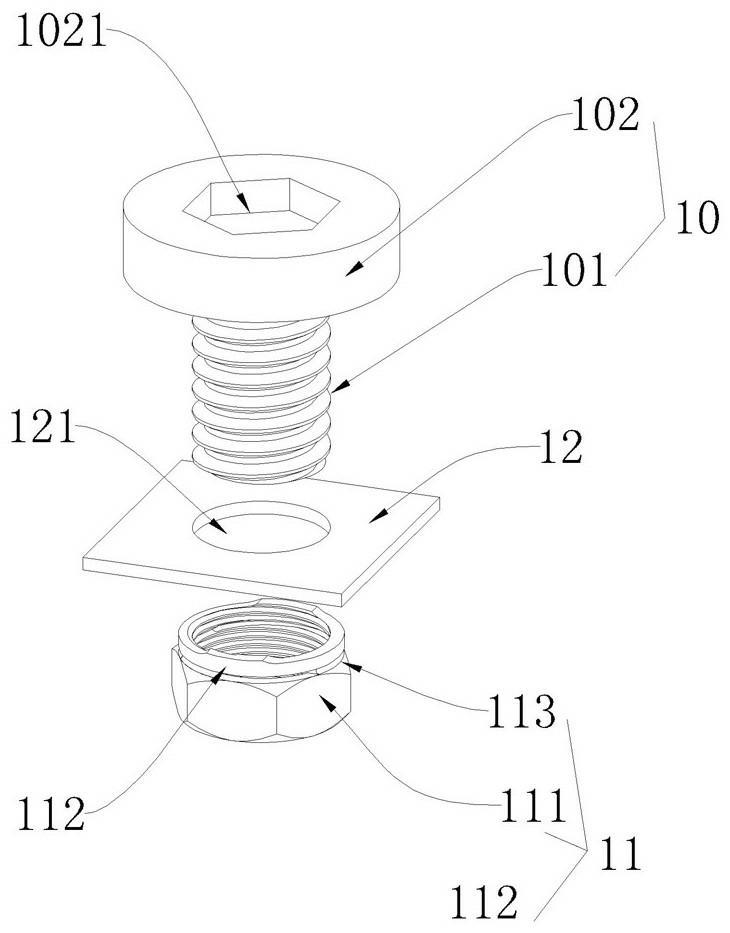
Patent Name:A tensile strength testing device for rivets
Abstract
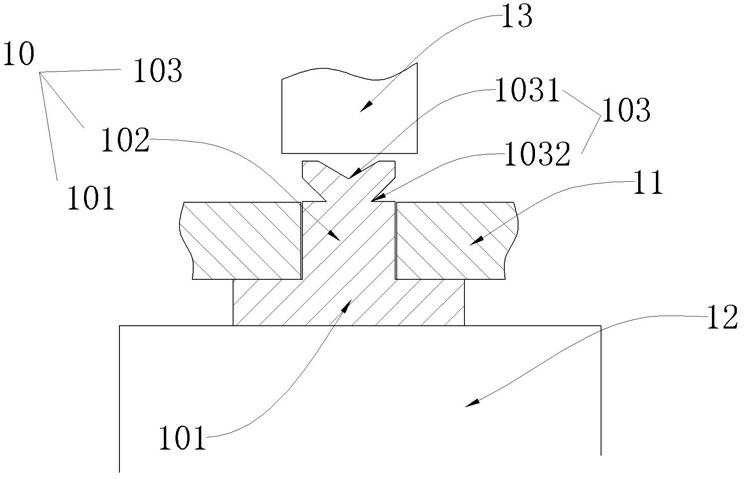
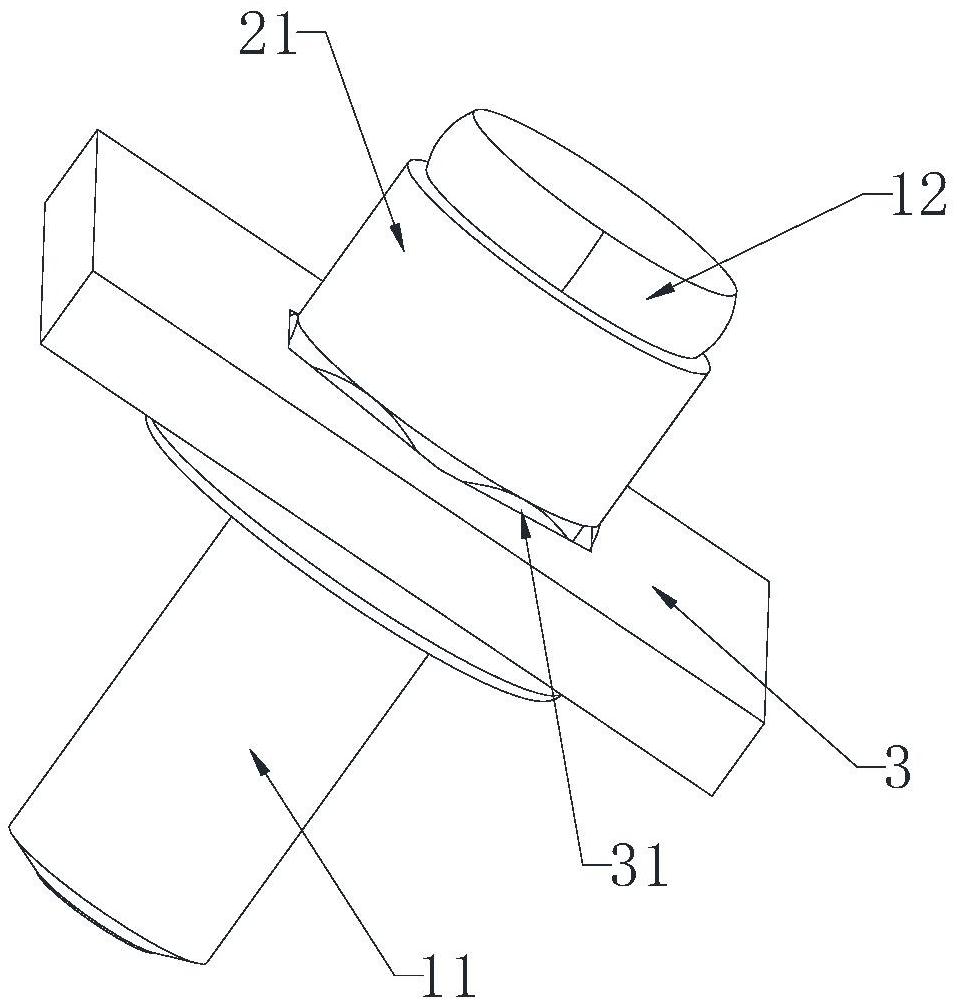
The present utility model discloses a riveting and pressing structure for a nut and a thin plate, comprising a nut, a thin plate, a workbench, and a punch. The thin plate is provided with a plate hole matching the nut and is fixed on the workbench. The nut includes a nut head and a protruding boss section; the nut head is fixed between the thin plate and the workbench, while the protruding boss section passes through the plate hole. The nut is further provided with a V-shaped pressing part that deforms when the punch presses down, thereby tightly riveting the nut and the thin plate together. Through the provision of the V-shaped pressing part, the present utility model can ensure the stability and sealing of the connection between the nut and the thin plate while improving the processing rate of the riveting. At the same time, the riveting and pressing structure is simple, has low manufacturing costs, and is suitable for wide application in actual industrial production processes.
Abstract Drawings